
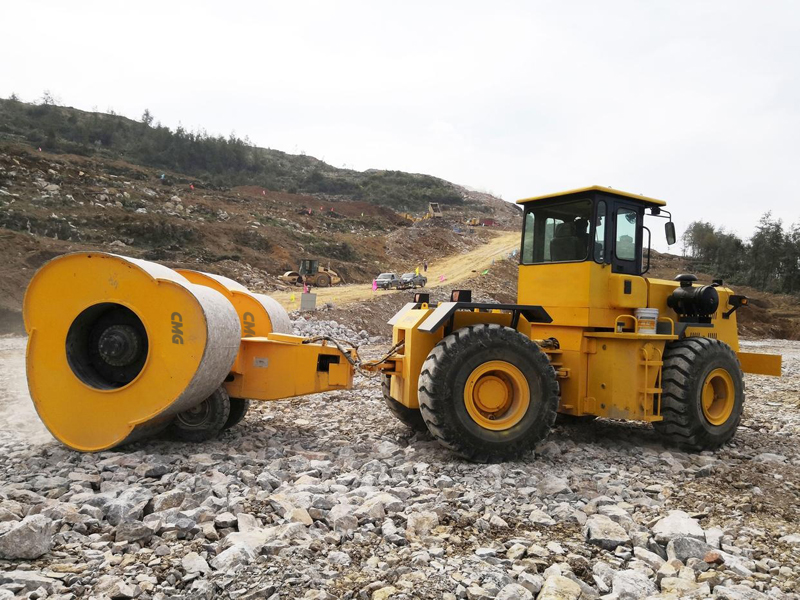
The engineering behind impact compaction, written for the people who have to specify it, run it and accept it: mechanics, method limits, selection, investigation, execution and verification.
Read in order for a full picture of the method, or jump to the question in front of you. Every note states what is known, what depends on the ground, and what has to be confirmed on site.
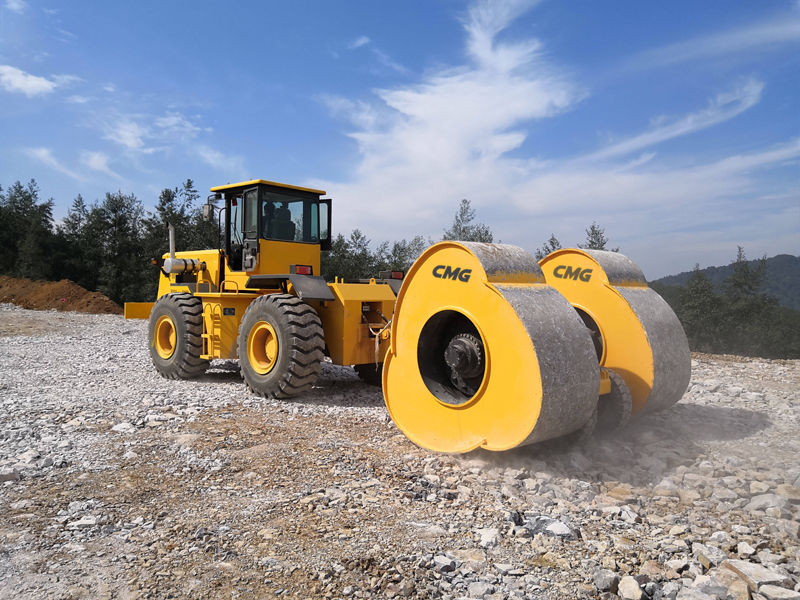
Three ways to treat ground below the surface, and where a towed drum stops being the right answer.
Read the note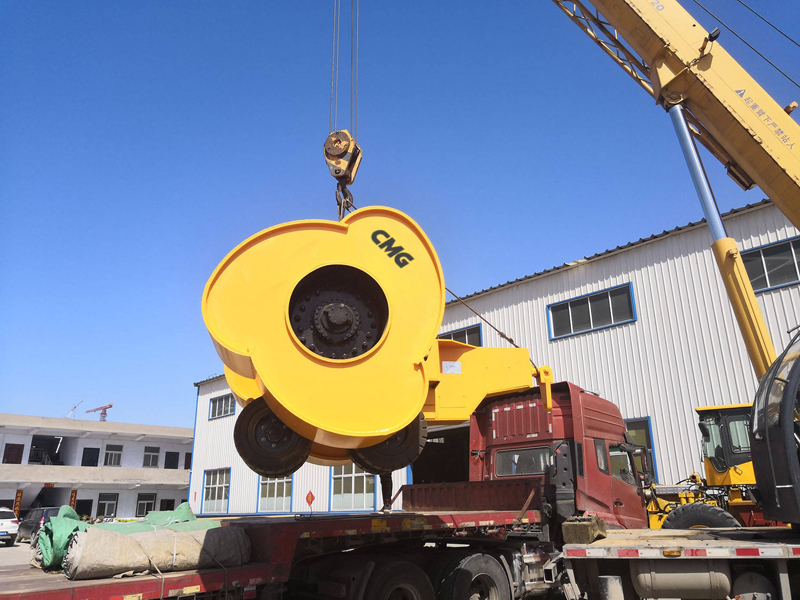
Drum geometry, fall height and why the quoted kilojoule figure is nominal.
Read the noteWhat HEIC does below the surface, which ground responds, and the three cases to avoid.
Read the note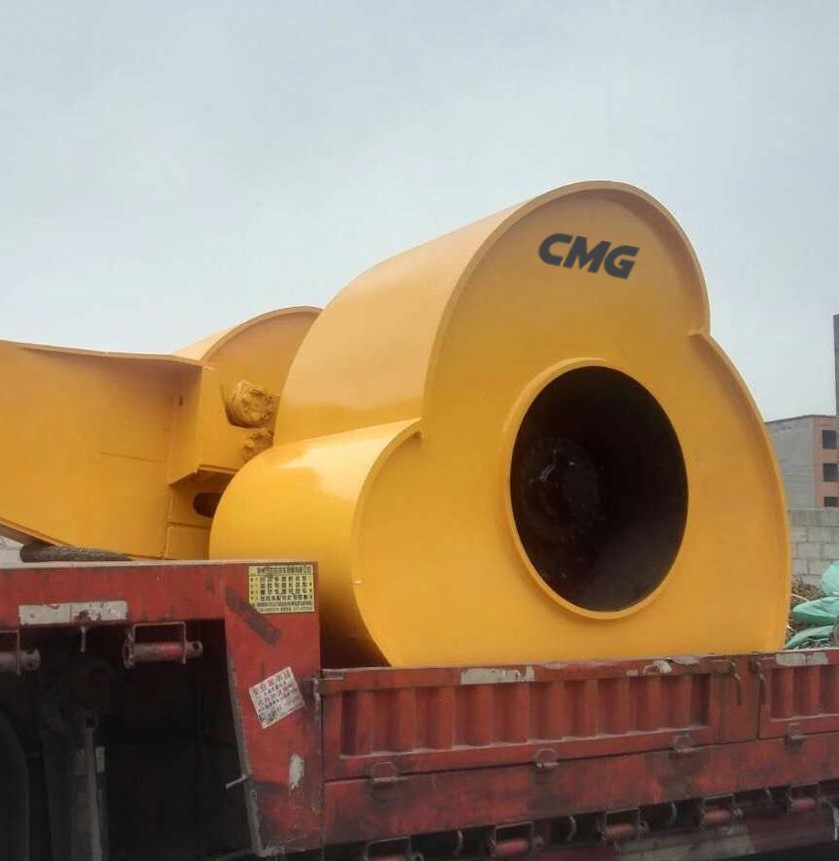
Fall height, blows per revolution and the trade-off each geometry makes.
Read the note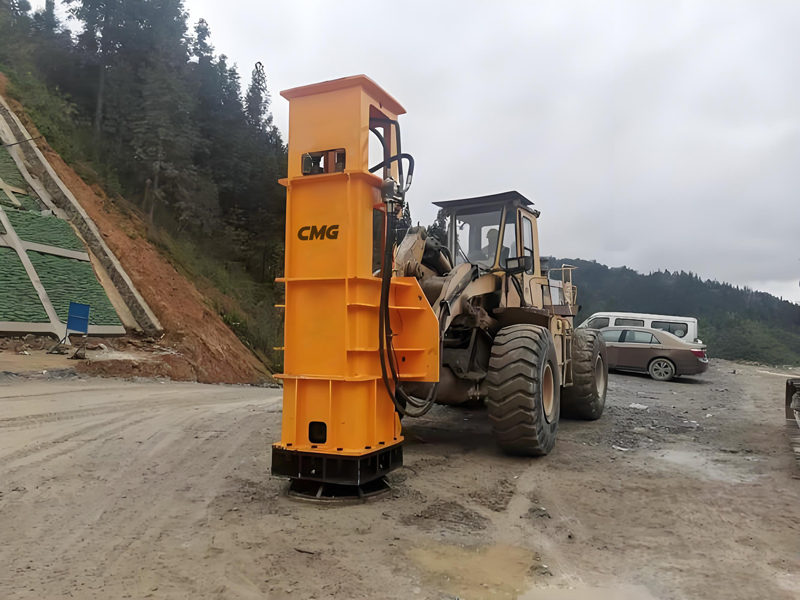
Layer compaction against mass treatment: depth, output, finish and vibration.
Read the note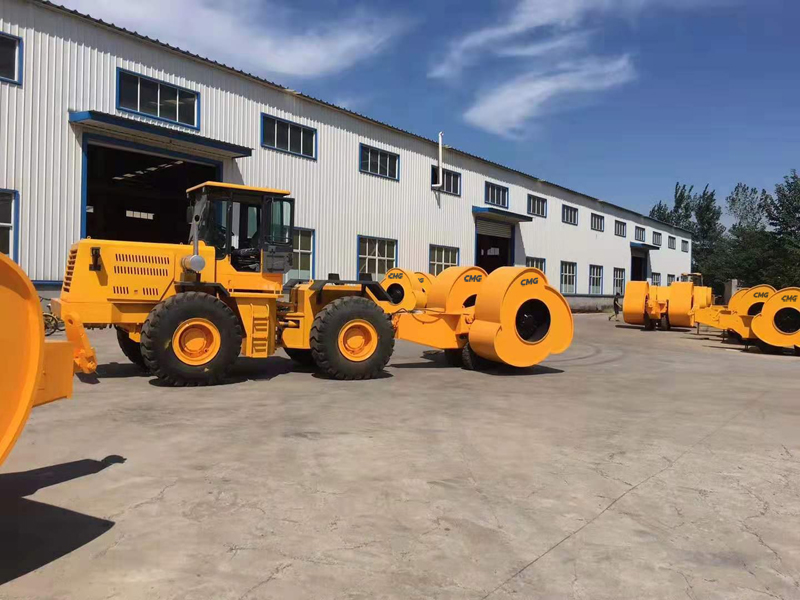
Desk study, fill characterisation, groundwater and constraints before a drum is chosen.
Read the notePattern, overlap, speed, staging and monitoring during production.
Read the note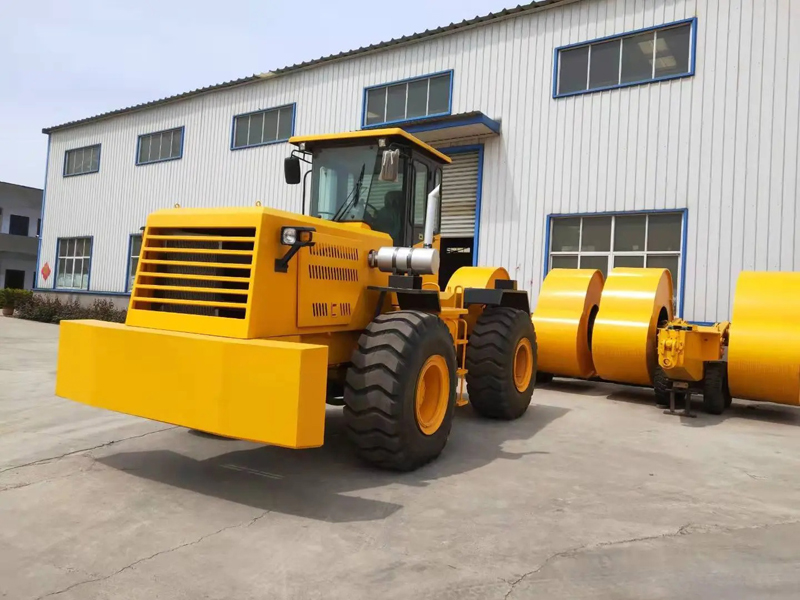
What settlement surveys, density, DCP, plate load and proof rolling each prove.
Read the noteTrial sections, pass patterns and the layer works that follow.
Read the noteStaged treatment, settlement monitoring and stability limits.
Read the note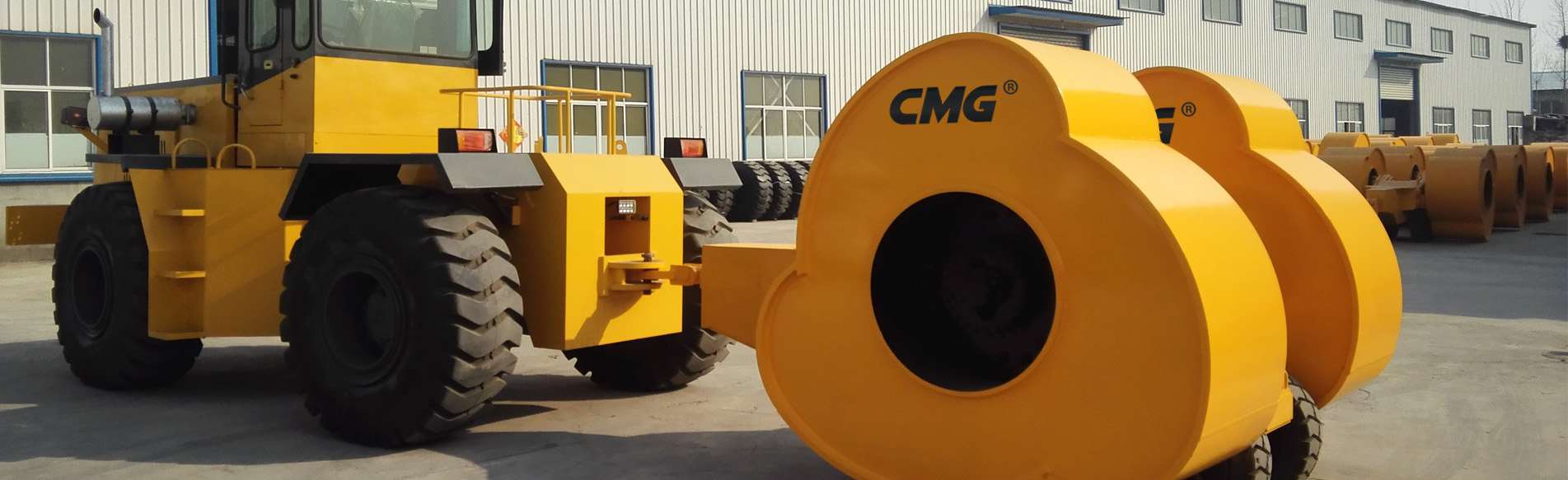
Fill type, layer thickness, target depth, buried constraints and the acceptance test are what decide a specification. Our export team answers with a configuration and an honest view of whether impact compaction fits.