
Compaction specified by the ground you are building on. Eight application groups, each with the machine class and method guidance our engineers use on site.
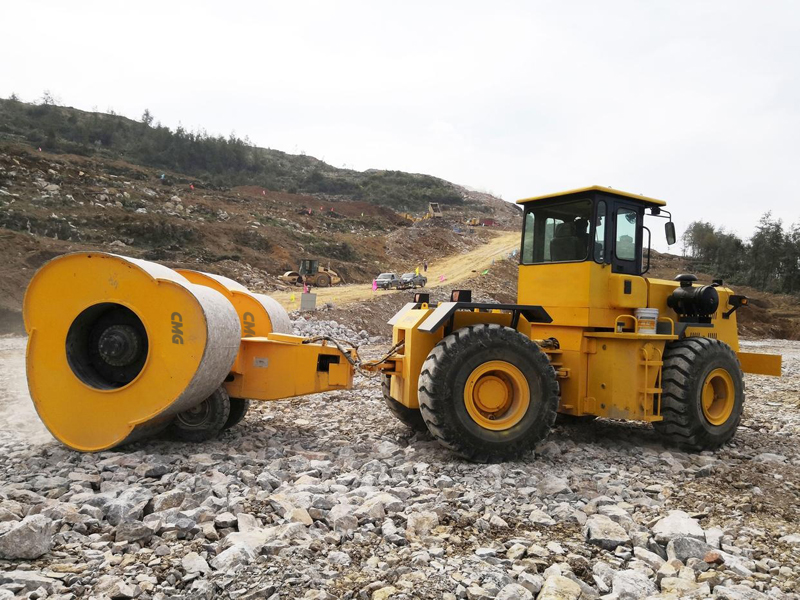
Deep subgrade and rockfill compaction before pavement, plus breaking and re-compacting failed concrete.
Deep impact compaction is used on subgrade and rockfill where vibratory rollers reach only the surface layer. The method is typically applied before pavement works, with pass counts set against the specified settlement criterion.
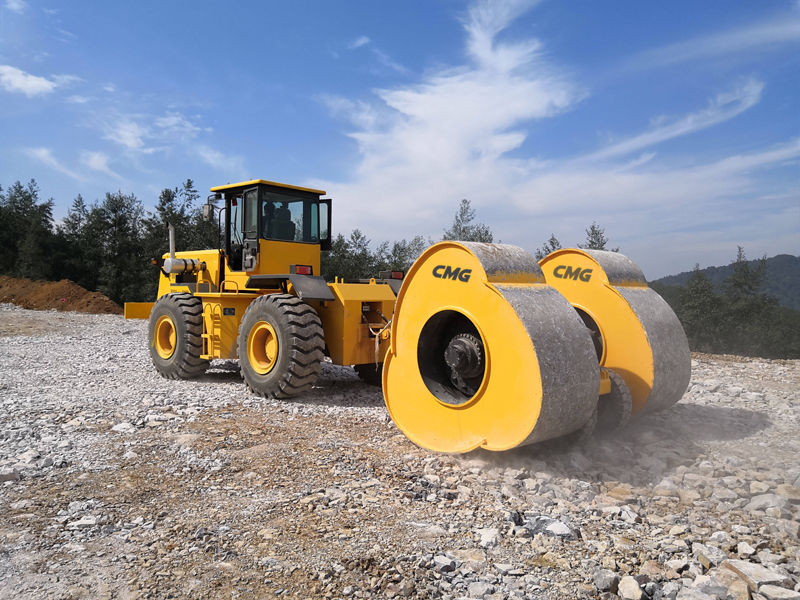
Runway foundations, apron subgrade and taxiway fill where post-construction settlement is not acceptable.
Airport foundations are governed by post-construction settlement. Impact rolling is used to proof-compact fill and identify soft spots before the pavement structure is placed.
Embankment and core-fill densification for water retention and seismic performance.
Dam and reservoir embankments require density through the full lift. Impact rollers and sheep-foot rollers are matched to the core and shell materials respectively.
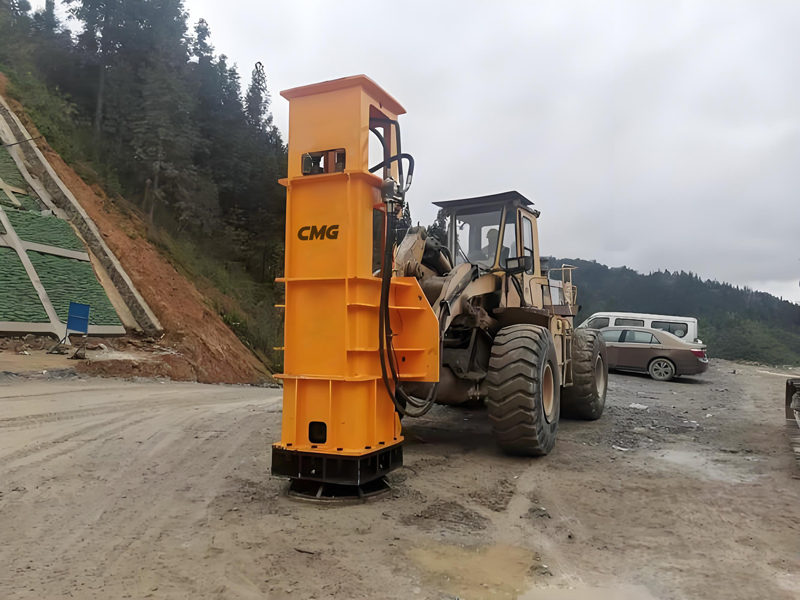
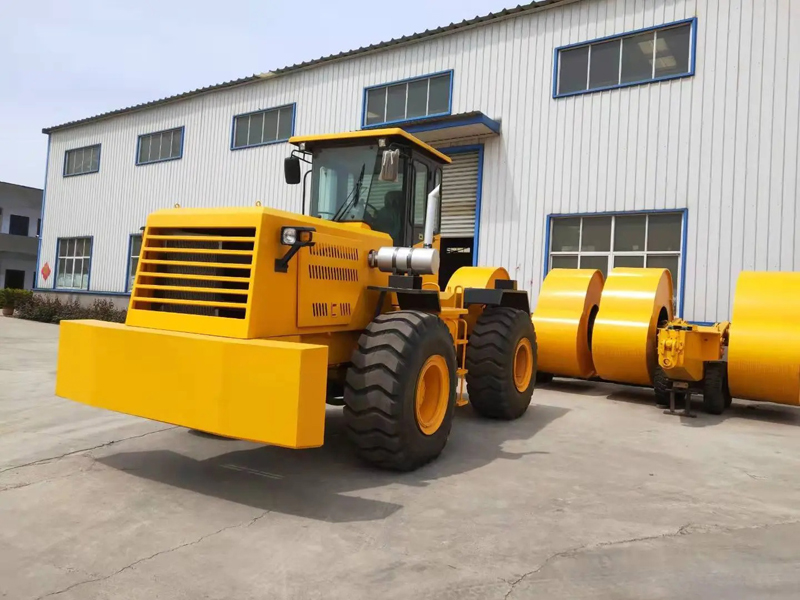
Yard paving, container terminal ground improvement and heavy-load platform preparation.
Port and terminal yards carry point loads from container handling equipment. Ground improvement by impact compaction reduces settlement under crane rails and yard slabs.
MSW placement, daily cover and cell construction with steel-wheel compaction.
Waste is compacted by kneading and crushing, not vibration. Steel-wheel compactors are specified by tonnage, wheel cleat pattern and blade type according to the waste stream.
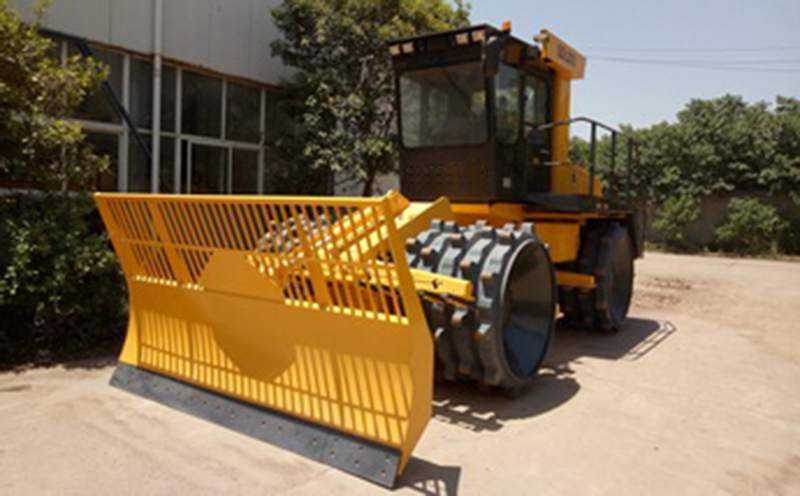
Haul road construction, tailings dam embankments and mine site rehabilitation.
Haul roads and tailings embankments need compaction that keeps pace with production. Impact rolling covers large areas at travel speed, with water control managed by the site.
Floor slab preparation, backfill and site development for warehouses and plants.
Industrial and commercial sites use impact compaction for backfill and uncontrolled fill, preparing ground for slabs, hardstanding and racking loads.
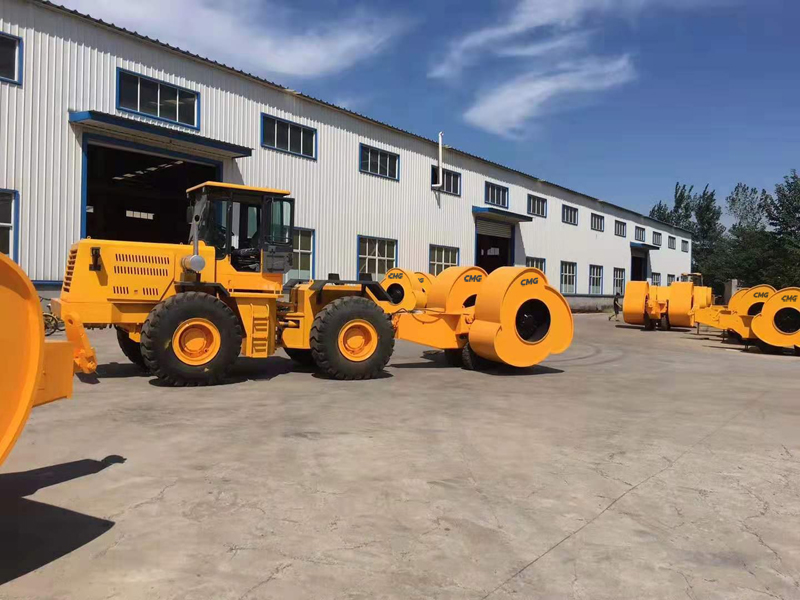
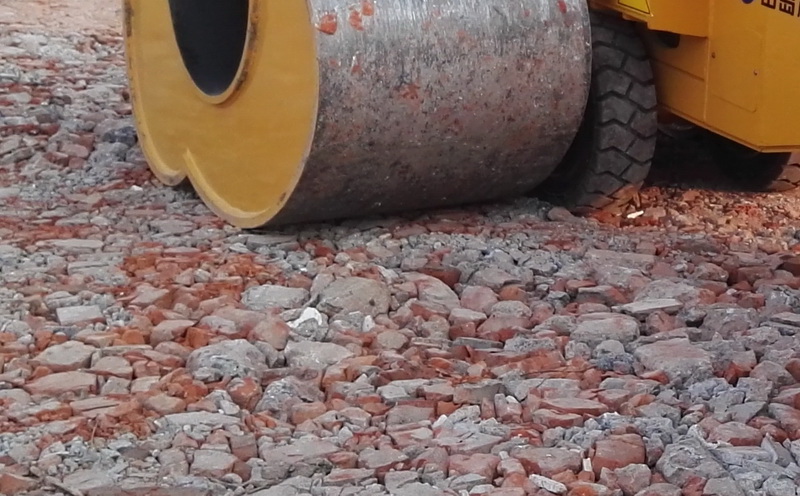
Former landfill, contaminated ground and uncontrolled fill where settlement must be brought under control.
On former landfill and contaminated ground, impact compaction is used to collapse voids and bring settlement under control before capping and redevelopment.
Impact compaction is a deep treatment, not a heavy roller pass. These notes explain where it belongs in an earthworks programme and where it must not be used.
What HEIC does below the surface, which ground responds, and the three cases to avoid.
Read the noteHow the formation is treated before pavement layers are placed.
Read the noteStaged treatment, settlement monitoring and stability limits on soft ground.
Read the note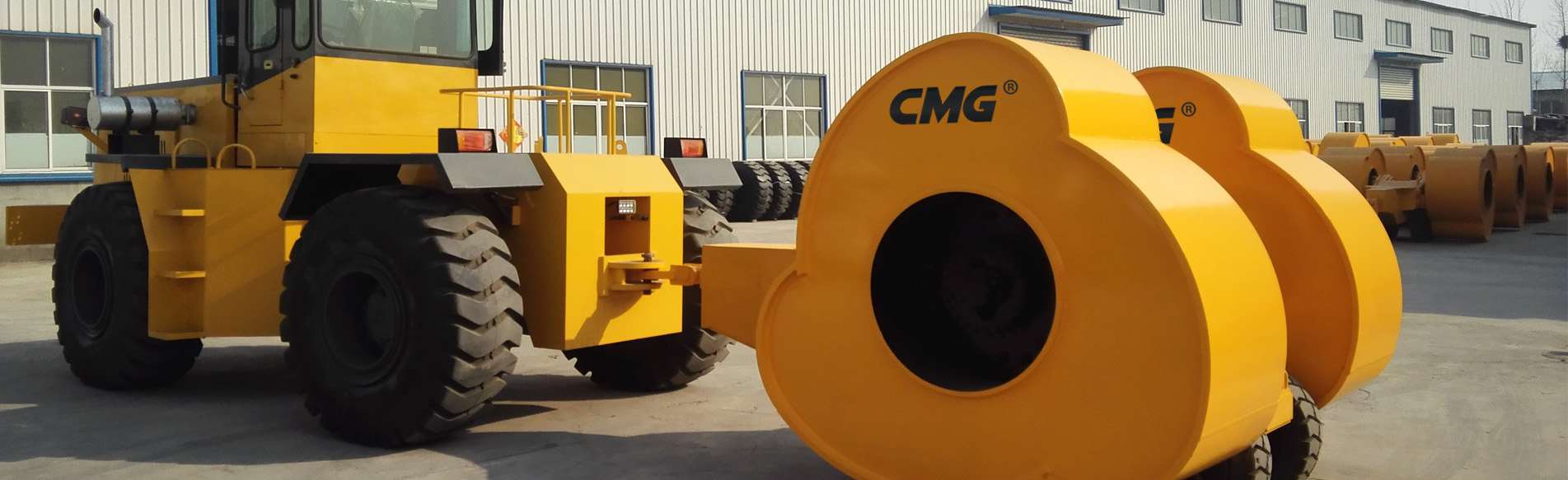
Describe the fill, the layer thickness and the acceptance criteria. We will propose the machine class, pass count and working method for the site.