An airport pavement sits on fill that has to stay put. Runway and apron construction moves large volumes of cut and fill, the finished surface is checked for evenness to tolerances far tighter than a road, and any settlement that appears after the pavement goes down is expensive to correct. Compaction of the fill is therefore a separate, heavily tested operation — not something finished off with a few passes at the end of earthworks.
What the specification actually controls
Airside work is governed by the project's own specification, which normally follows ICAO and FAA guidance and then adds the client's requirements on testing frequency, layer thickness and acceptance criteria. The numbers that matter on site are the specified density or modulus, the maximum lift thickness, the test methods and who witnesses them. Those come from the consultant's documents, not from a machine brochure, and any supplier who quotes a compaction result without them is guessing.
Where an impact roller fits
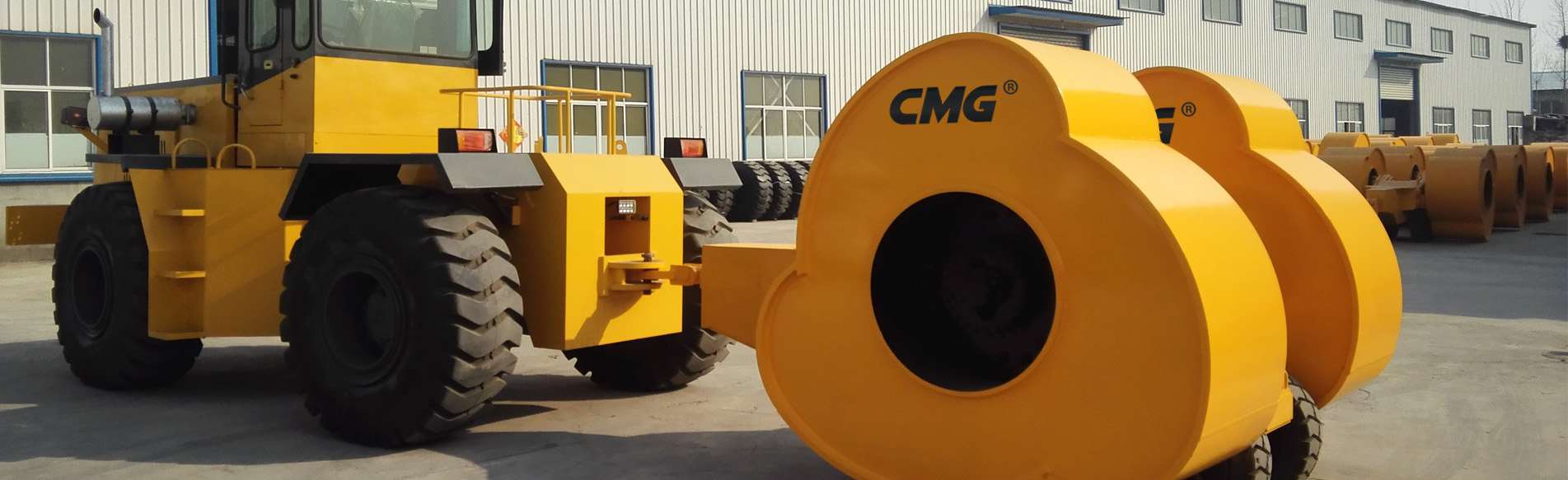
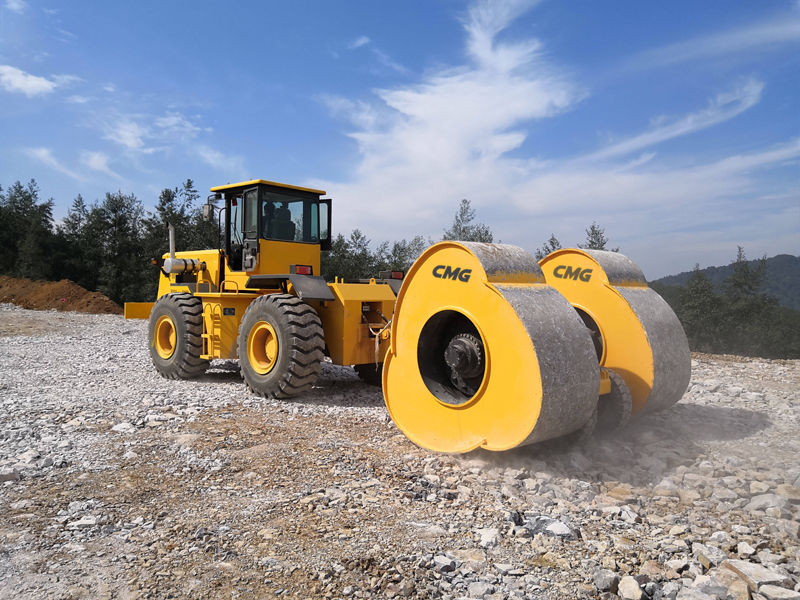
Impact rolling works on fill, not on the finished pavement. A towed polygonal drum delivers a rapid sequence of high-energy blows along its wheelpath as it is pulled across the layer, which is why it is used to densify deep fill and to close up voids and soft spots that a smooth-drum roller only presses over. It is a production tool: at a working speed of 10–15 km/h a single drum covers a large area per shift, so it suits the bulk fill phases of a runway or apron rather than trim work.
The limits are practical. It needs a tractor able to hold working speed, room to turn at the end of each run, and fill that can be rolled without being pushed ahead of the drum. On a confined apron edge, next to live services or against a structure, a smaller carrier-mounted unit or a conventional roller is the more sensible tool — see the method comparison before deciding.
Sequence on an airside fill
1. Strip and prepare. Remove unsuitable material, prove the formation, and establish drainage so the fill is not being rolled wet.
2. Place and compact in lifts. The lift thickness is the one the specification allows. Impact rolling is applied to the lift, then the surface is trimmed and tested before the next lift goes down.
3. Trial section. Before production, roll a trial area with a recorded pass pattern, then test it. The trial is what converts a published figure into a number this project can defend.
4. Production rolling. Fixed pattern, fixed speed, fixed overlap, recorded per shift. Pass counting on the drum, not on the supervisor's memory.
5. Verification. Density or modulus testing at the specified frequency, plus level survey across the layer. Proof rolling of the finished formation is the cheapest way to find a soft spot before the pavement does.
What goes wrong
Rolling too wet is the common failure: the drum stops delivering energy into the soil and starts working the surface. Rolling a layer that is too thick hides the problem until the survey shows settlement. Skipping the trial leaves the contractor with a published figure and no evidence. And treating impact rolling as a substitute for testing — rather than a way of reaching the density that testing confirms — is the mistake that shows up two years later as a joint failure.
What we need to quote this application
- Specified density or modulus, and the test methods
- Maximum lift thickness allowed by the specification
- Fill type, source and any prior trial data
- Site access, turning space and the working width per run
- Vibration limits near structures and services
- Testing frequency and who witnesses it