
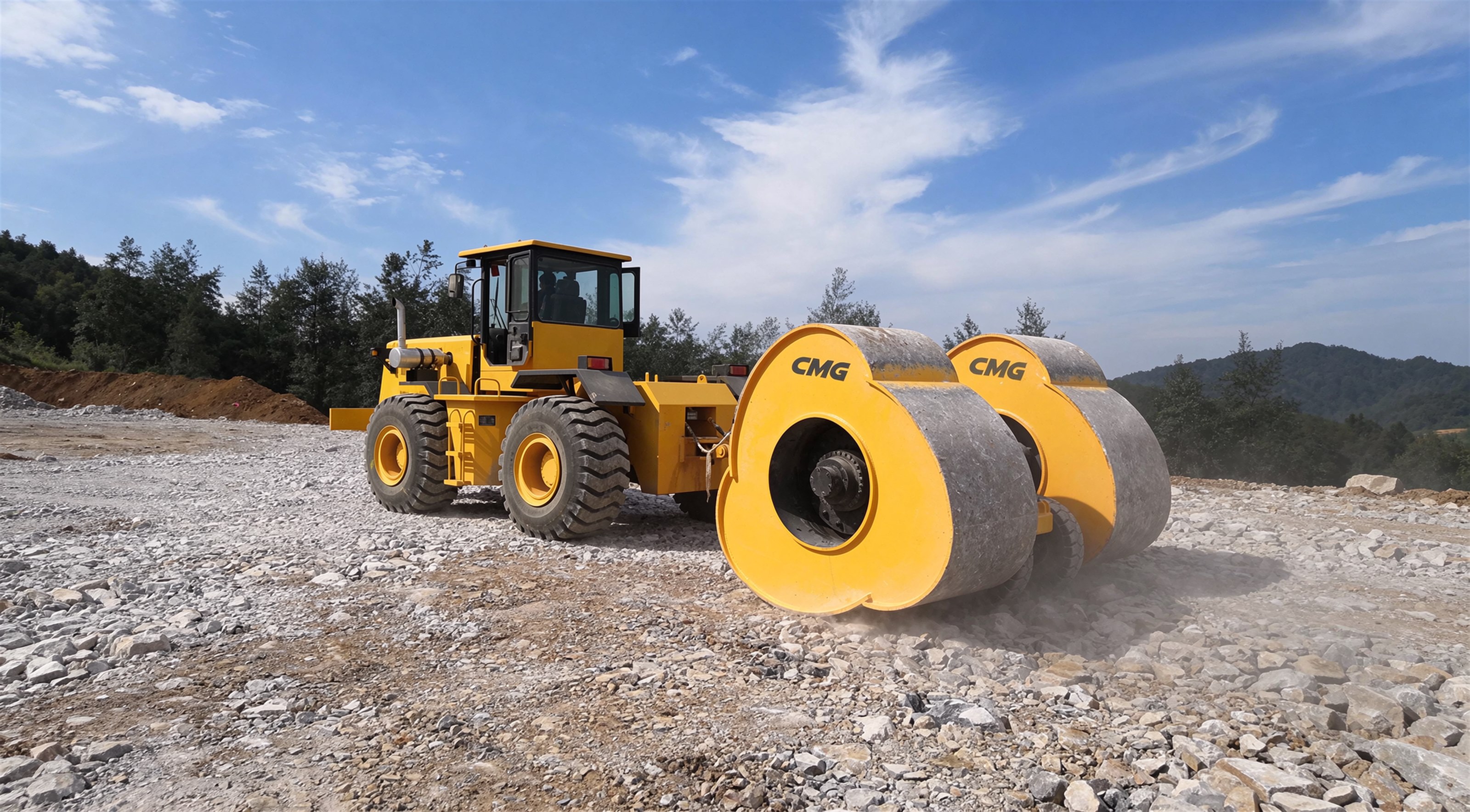
Engineering notes from the CMG technical team. No shipment claims, no invented case studies — just how the method works, what decides a drum class, and what a site needs to make it perform.
Six notes written for buyers and engineers: the mechanics of a polygonal drum, the method and its limits, drum selection, the comparison with vibratory rolling, and the two applications we are asked about most.
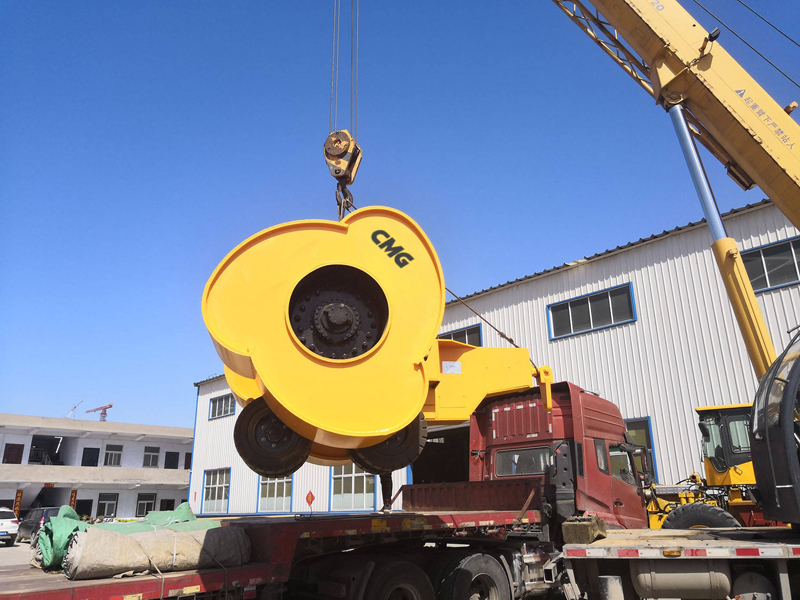
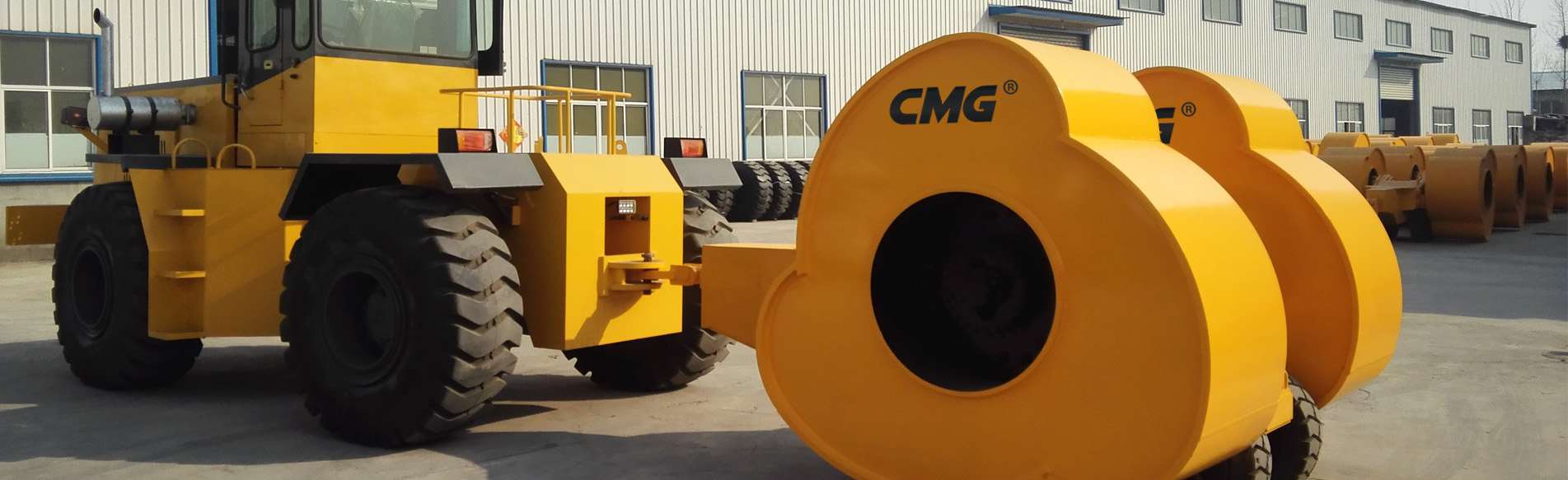
An impact roller is not a heavy wheel. It is a polygonal drum that lifts its own mass as it turns, then lets it fall onto the ground. Almost everything about its performance follows from that geometry.
Read the note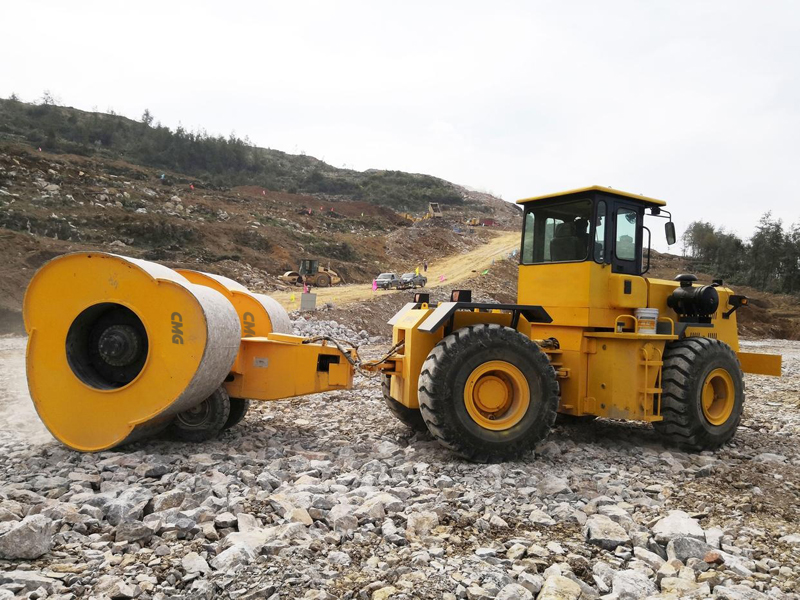
High-energy impact compaction treats fill from the surface with repeated heavy blows instead of thin-layer rolling. It is powerful in the right ground and the wrong tool in the wrong one.
Read the note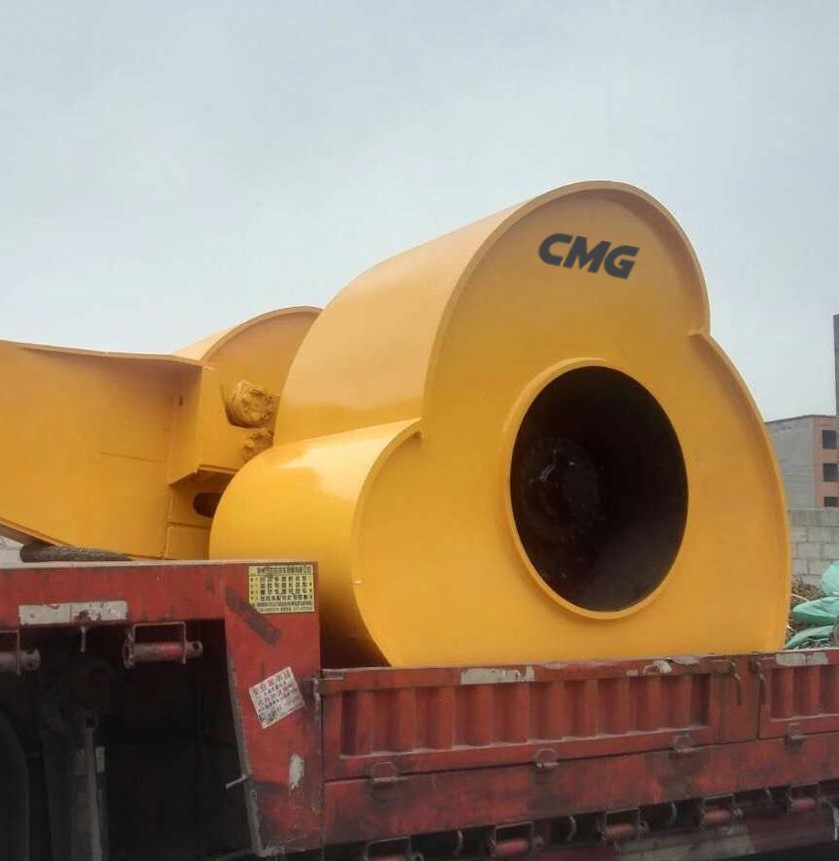
The two drums come from the same family and use the same principle. The number of sides decides whether you get fewer harder blows or more frequent softer ones.
Read the note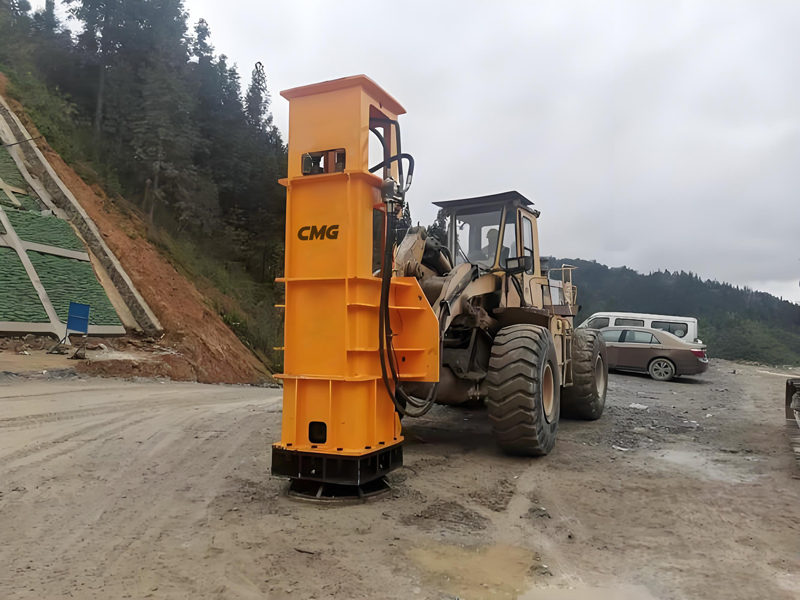
They are not competing answers to the same question. One builds a layer; the other treats a mass of fill. The right choice depends on what the specification is actually asking for.
Read the note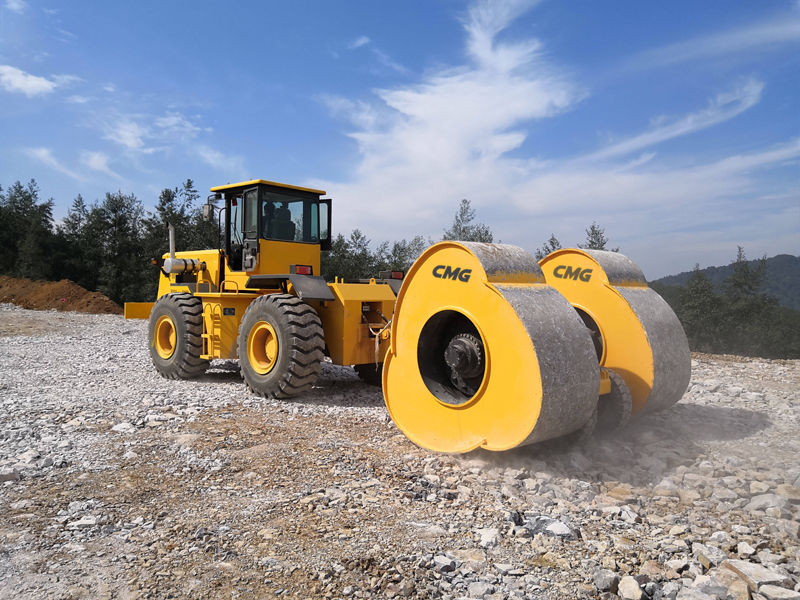
On a road project the impact roller works below the pavement layers, on the formation and the fill beneath it. Done properly, it removes the settlement that would otherwise appear after the road opens.
Read the note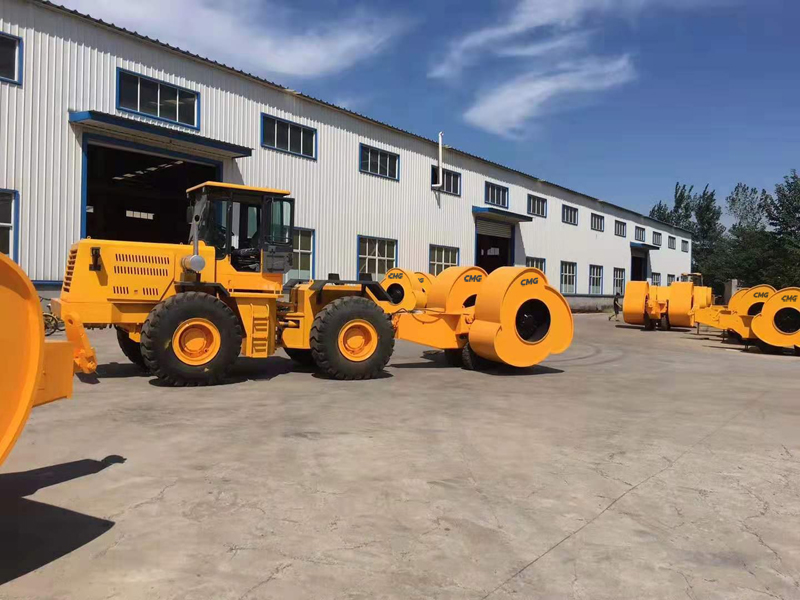
Reclamation ground looks firm long before it is. Impact rolling is used to bring the settlement forward, while it can still be measured and before anything is built on it.
Read the noteApplication notes, method statements and market commentary published before 2025.
Tell us the machine class, working width or ground conditions. Our export team will confirm availability, lead time and shipping terms.