
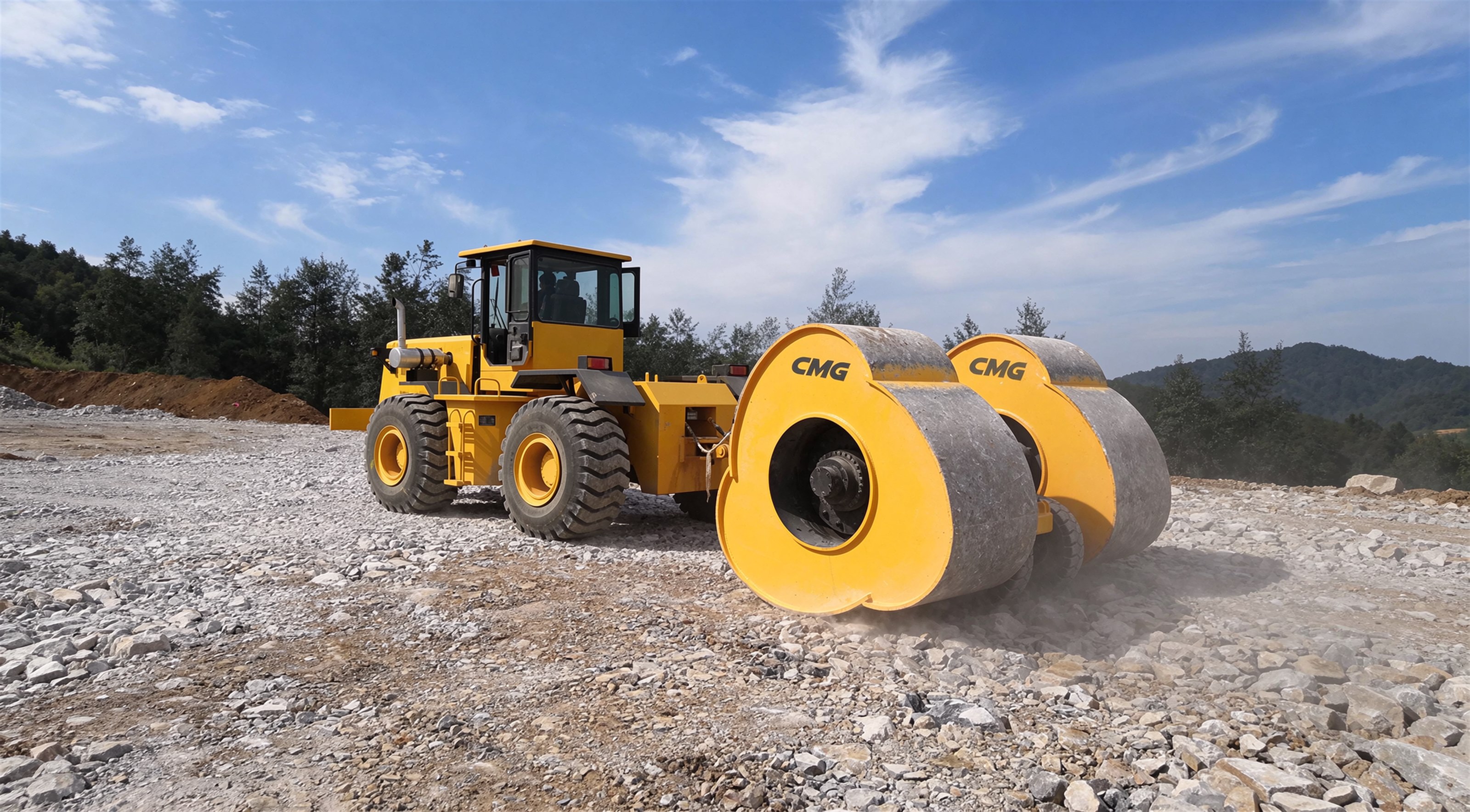
Impact rollers, high-speed hydraulic compactors and heavy-duty rollers for highways, airports, dams, ports and landfill — engineered and built in Shanghai, delivered to more than 30 countries.
Six machine families, specified by ground condition rather than by brochure weight. Every unit is built around the fill, the lift thickness and the carrier you already run.
 01
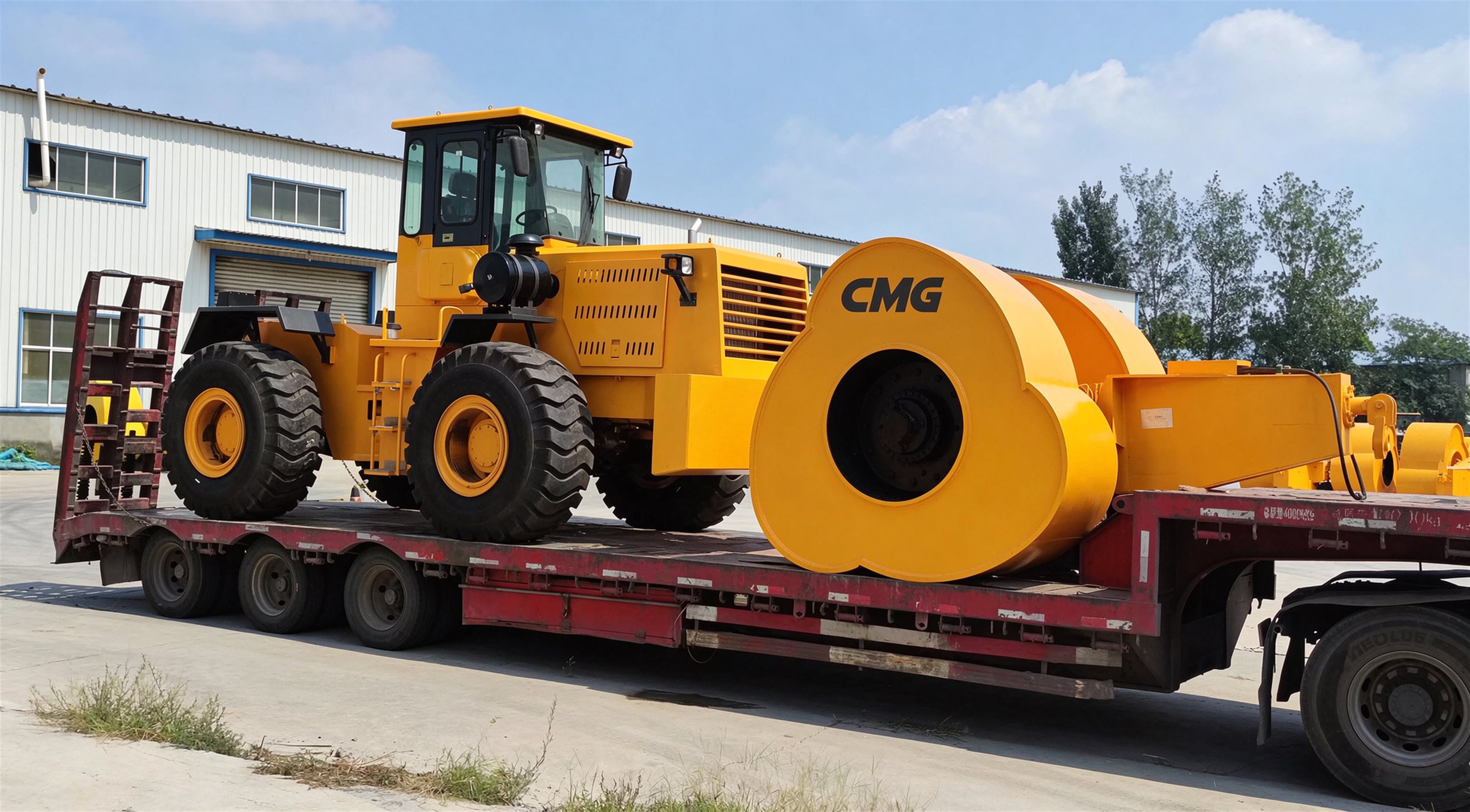
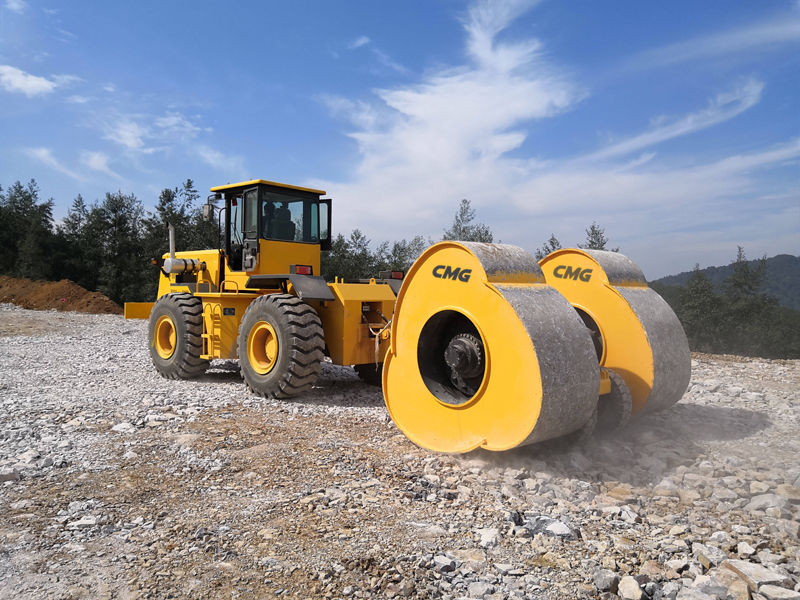
Towed 3- and 5-sided impact rollers from 25 to 35 kJ, matched with tractors and complete sets.
Explore range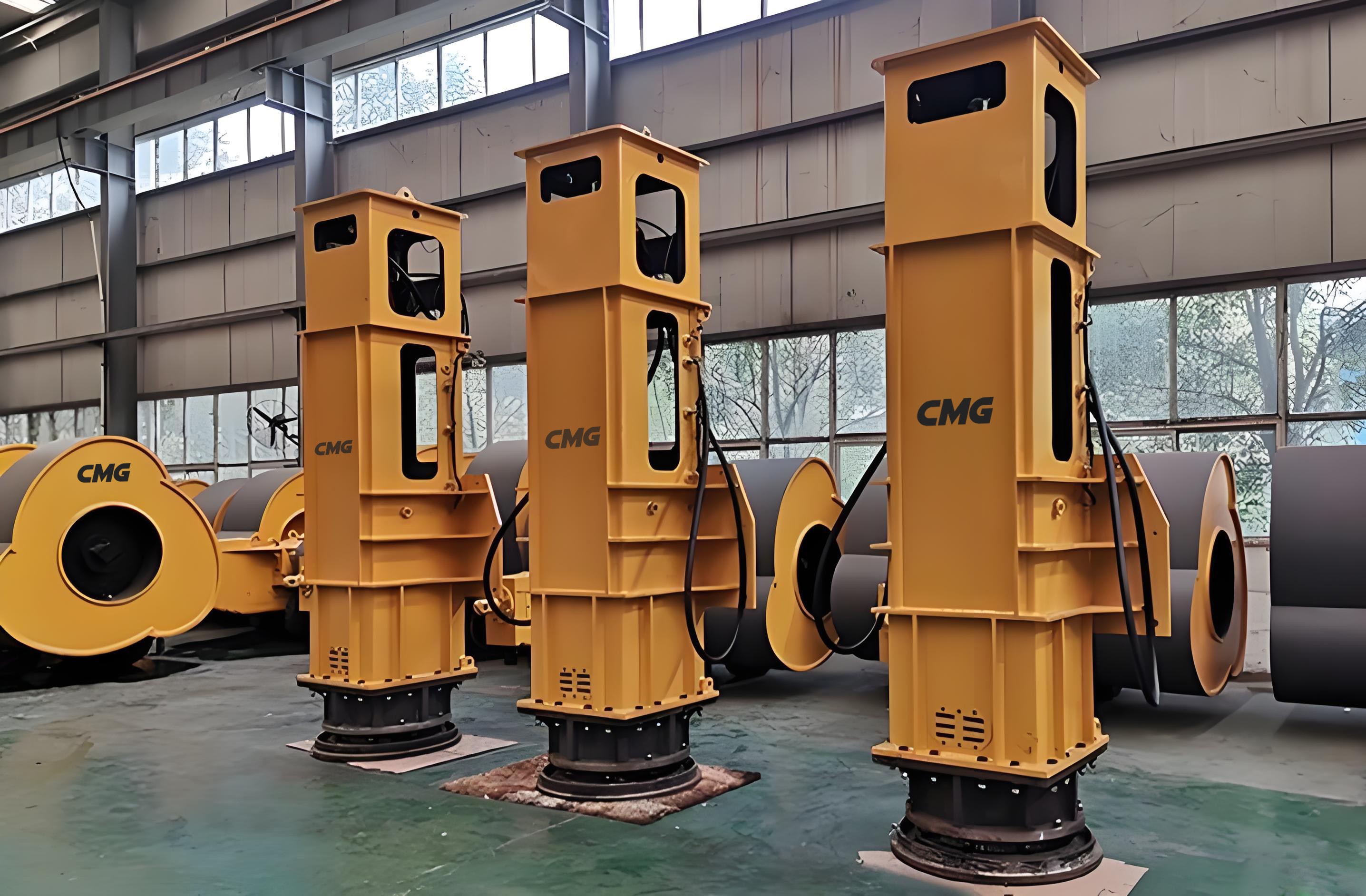 02
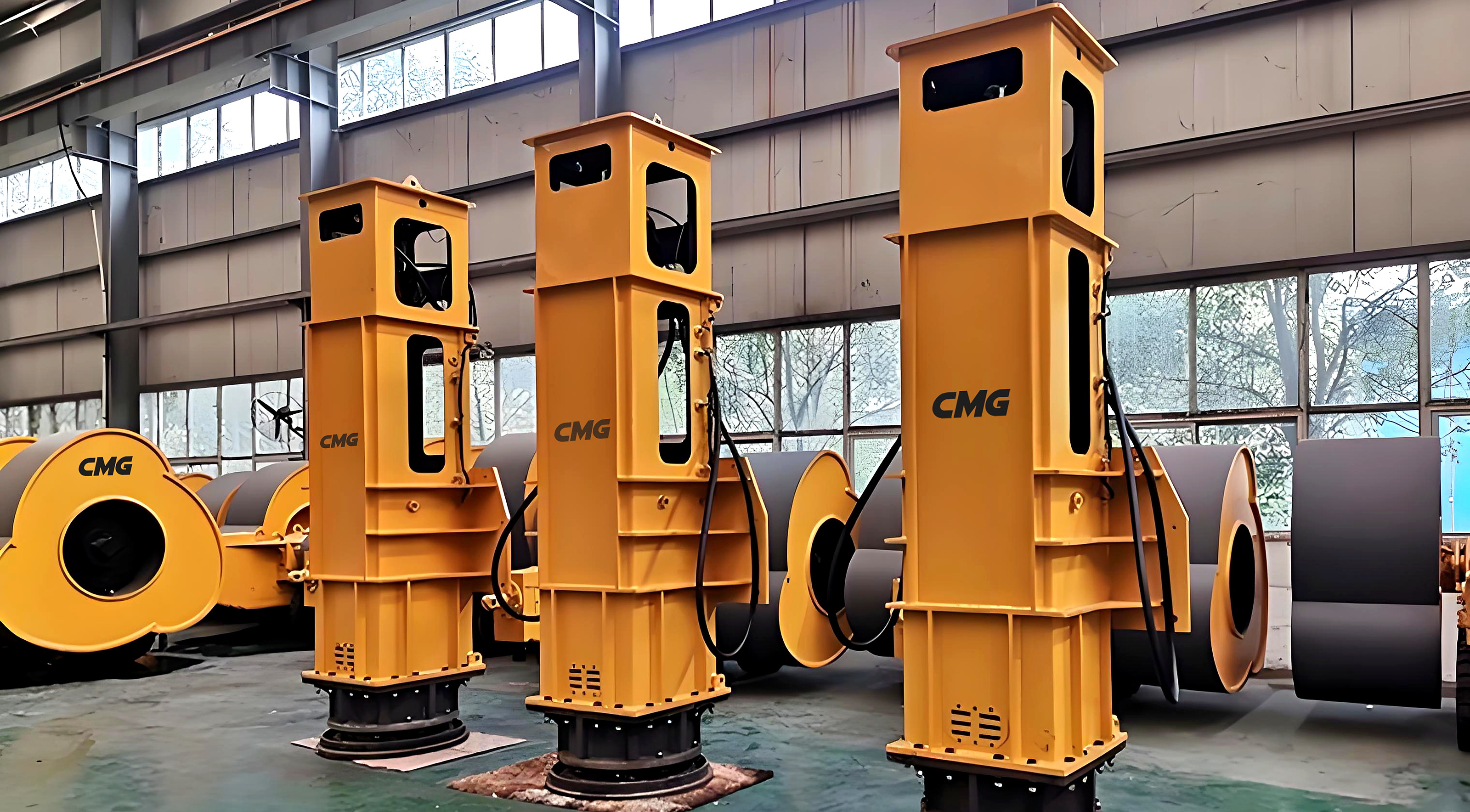
Hydraulic compaction hammers for excavators and wheel loaders, up to 36 kJ, for work a towed roller cannot reach.
Explore range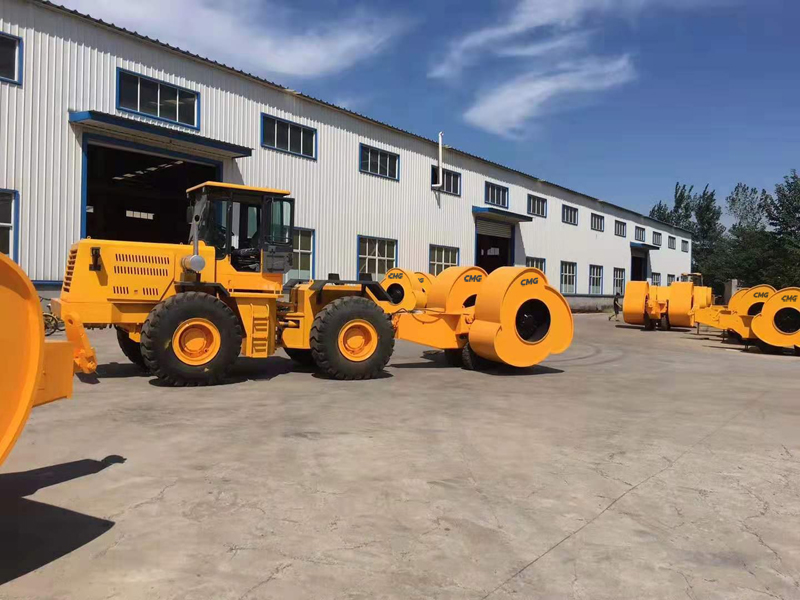 03
3–36 t single- and double-drum vibratory rollers for granular subgrade, asphalt and municipal roads.
Explore range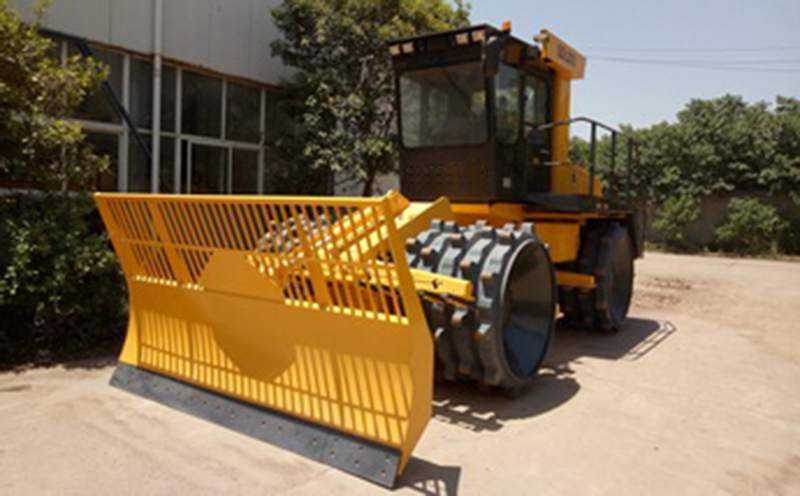 04
20–30 t steel-wheel compactors that crush, knead and densify municipal solid waste in place.
Explore range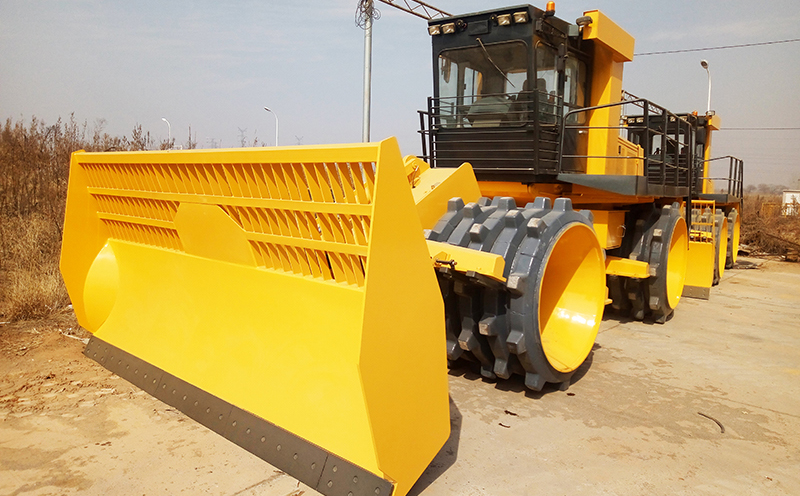 05
Steel-wheel landfill compactor rollers and heavy-class machines for high-volume waste operations.
Explore range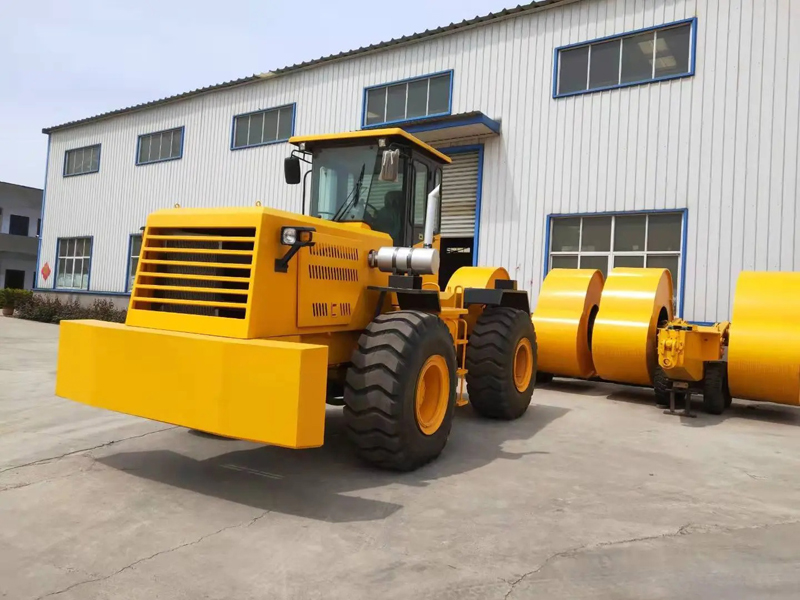 06
Sheep-foot, towed vibratory and dozer-mounted rollers for cohesive soil, dams and embankments.
Explore rangeCompaction is specified by the ground, not the machine. These are the applications our export fleet is most often matched to, with method guidance for each.
Deep subgrade and rockfill compaction before pavement, plus breaking and re-compacting failed concrete.
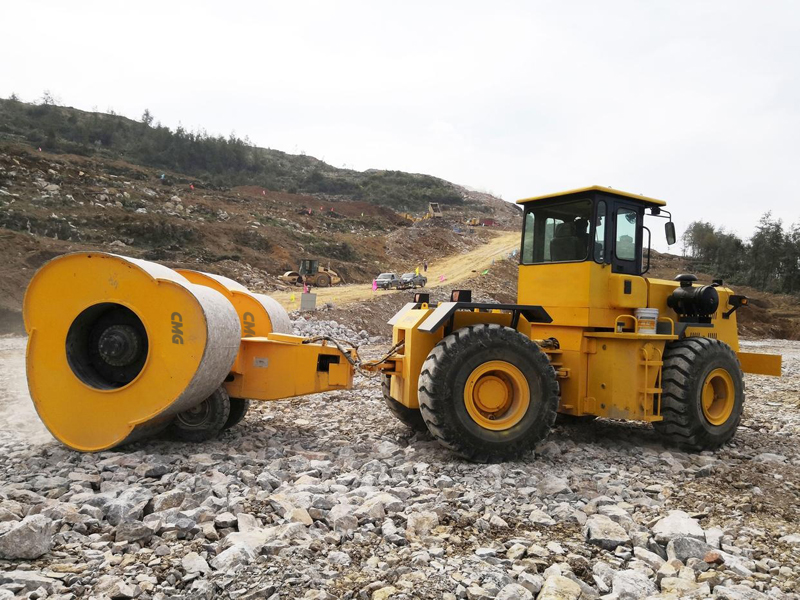
Runway foundations, apron subgrade and taxiway fill where post-construction settlement is not acceptable.
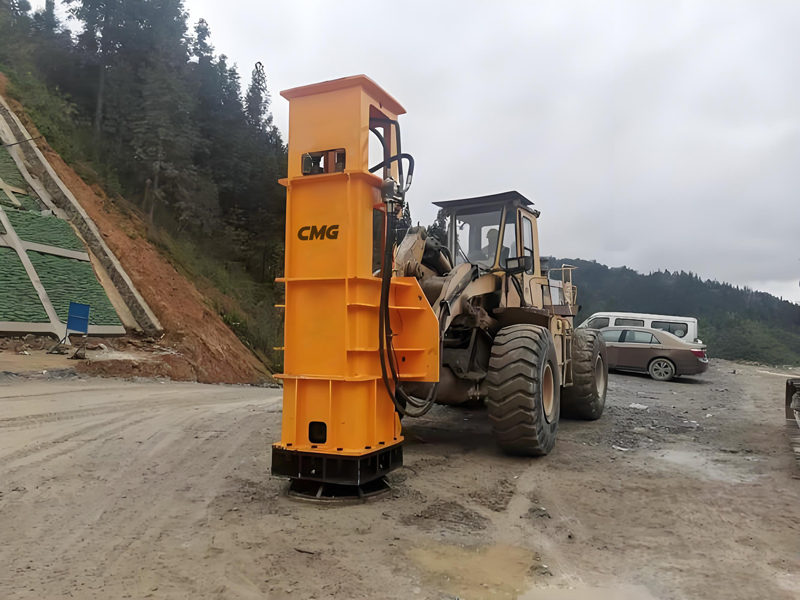
Embankment and core-fill densification for water retention and seismic performance.
Yard paving, container terminal ground improvement and heavy-load platform preparation.
MSW placement, daily cover and cell construction with steel-wheel compaction.
Haul road construction, tailings dam embankments and mine site rehabilitation.
Floor slab preparation, backfill and site development for warehouses and plants.
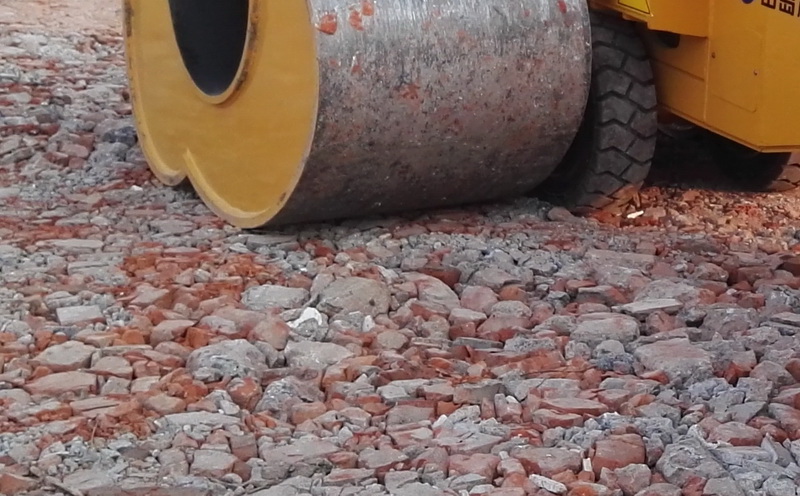
Former landfill, contaminated ground and uncontrolled fill where settlement must be brought under control.
The same four steps on every order: the application decides the drum class, the drum decides the tractor, the trial decides the pass pattern, and the packing plan decides the delivery date.
Machines leave the plant with the records a project engineer needs: material certificates, dimensional inspection, load and function tests, and packing lists checked against the order.
Steel plate, castings and hydraulic components are checked against specification before release to fabrication, with mill certificates filed by machine number.
Drum, frame and hitch welds are inspected and recorded. Critical joints are dimensioned against the drawing after welding, not before.
Hydraulic pressure, travel, vibration or impact function and safety interlocks are tested on every unit before packing.
Operation manual, parts list, inspection records and export packing list are issued with the machine; third-party inspection can be arranged on request.
Market-specific certification support (CE, GOST, SONCAP and others) is arranged against the destination and the model — ask our export team what applies to your order.
Nine questions that come up in almost every enquiry. Click a question to open the answer. Where a figure depends on the site, the answer says so instead of quoting a number.
Send the machine class, working width or ground conditions. Our engineers reply within one business day.