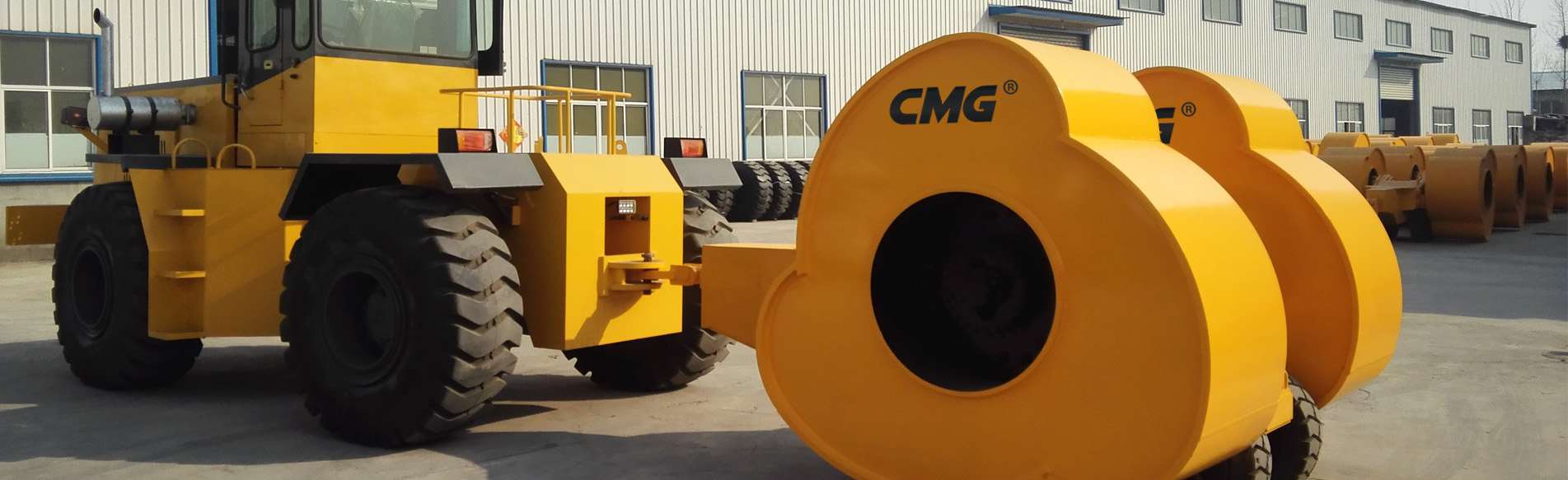
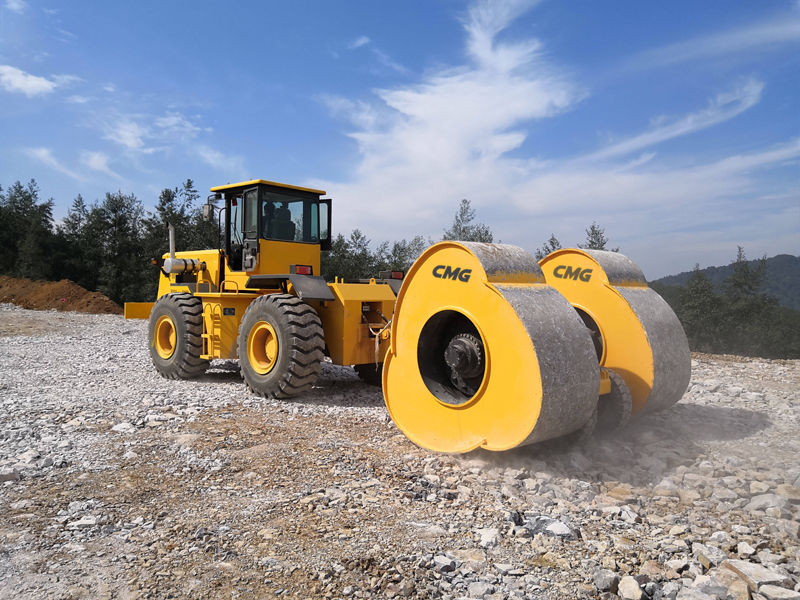
Subgrade and embankment work is where impact rolling earns its place on most contracts: long runs, large fill volumes, and a specification that is checked layer by layer. The machine is the same towed drum used elsewhere; what changes is the sequence and the testing around it.
Subgrade, embankment and capping are different jobs
Embankment fill is placed and compacted in lifts to build the formation up. Subgrade is the top of that formation, the surface the pavement layers sit on, and its evenness and density matter most because everything above it inherits its defects. Capping or selected fill is a engineered layer between the two. Impact rolling is normally applied to the embankment lifts and to the subgrade; it is not a finishing tool for the pavement layers themselves.
Rolling the layer, then proving it
The published working data for the 25–35 kJ class — a working speed of 10–15 km/h and a depth band of roughly 1.5–3 m — describes what the drum can do in favourable fill. What a given layer actually achieves depends on its material, moisture, thickness and the number of passes, and it is confirmed by the trial section and the acceptance tests. Any figure quoted without those is a claim, not a result.
In practice the sequence is: place the lift to the specified thickness, roll it with a fixed pattern and speed, trim and level, then test. Density testing (sand replacement or nuclear), dynamic cone penetration on granular fill, and level survey across the layer are the usual checks; proof rolling the finished subgrade finds the soft spots that spot tests miss.
Soft spots and variable ground
Road alignments cross old drainage, filled ponds, and patches of unsuitable material. Two responses are possible: excavate and replace, or roll through and monitor. Impact rolling is useful for the second because the energy reaches below the surface layer and closes voids rather than bridging them, but it does not turn unsuitable material into suitable material. Where the soft spot is deep or wet, the honest answer is removal, drainage or a designed treatment — see the method comparison for where a dropped-mass method is the better fit.
Rail formations
The same logic applies to rail: formation and blanket layers are compacted and tested before track is laid, and the tolerances on level are tight because the track structure has little capacity to absorb variation. Access is the usual constraint — a towed drum needs a working width and turning space that a rail corridor may not give, in which case the work is done from the formation before the corridor is narrowed, or with a carrier-mounted unit.
Working next to structures
Impact rolling sends vibration into the ground. Near retaining walls, buried services, bridge abutments or property boundaries, the vibration and the drum's footprint have to be considered before the first pass, and a trial with monitoring is the normal way to set the working distance. This is a design decision for the engineer, and it belongs in the method statement rather than in a supplier's promise.
What we need to quote this application
- Embankment or subgrade, and the specified layer thickness
- Fill type and moisture at placement
- Soft spots known from the ground investigation
- Required density or modulus and the test method
- Distance to structures, services and property lines
- Length of runs and turning space at each end