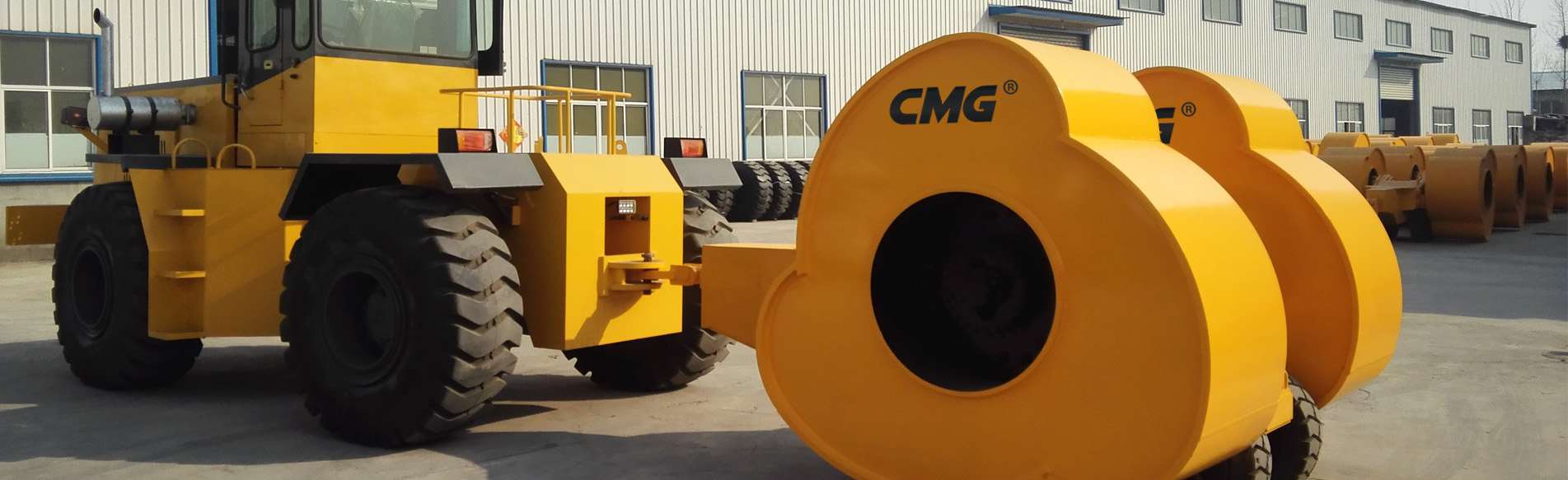
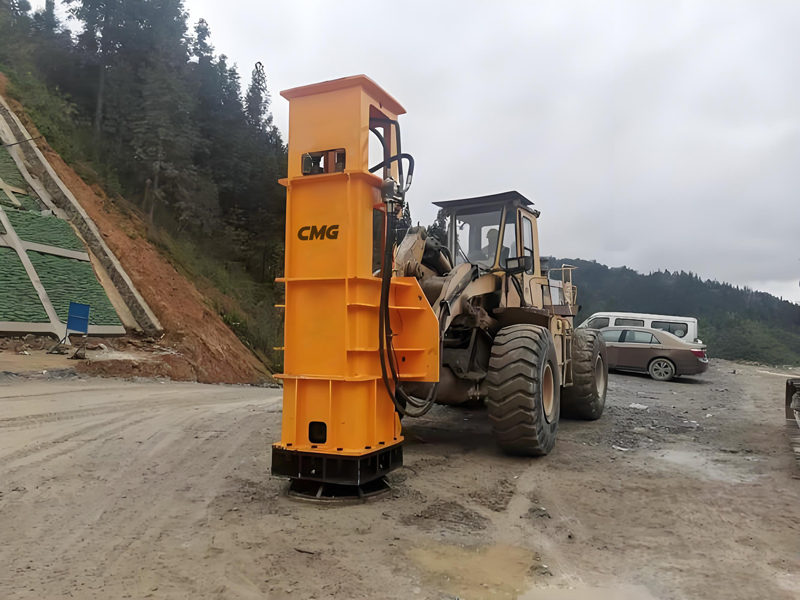
On site the method reduces to a small number of decisions: which direction to run, how much to overlap, how fast to travel, where to start and stop, and when to stop passing. Get these wrong and a correctly sized drum still leaves an uneven plot.
From trial to production
The trial section fixes two numbers: the pass count that achieves the acceptance criterion, and the working speed at which the drum behaves as intended on this fill. Production then repeats exactly that — same drum, same speed, same pattern, same layer thickness — across the plot. Any change in fill, thickness or moisture is a reason to re-trial, not a reason to improvise.
Pattern and direction
The standard pattern is parallel runs across the plot in one direction, followed by a second set at right angles where the specification requires it. The cross direction matters most where the fill is variable or where the first direction ran along a slope: a single direction leaves the material between runs less worked than the material under them.
Overlap and coverage
Each run must overlap the previous one by enough that no strip is left between drum passes. Coverage is the part of the plan that gets lost when a driver chases output: widened spacing looks faster and produces a plot with alternating worked and unworked strips, which then fails a settlement or density check in exactly the places nobody tested. Mark the runs, or use machine guidance, and check the completed plot for pattern before demobilising.
The ends of each run need overrun. A drum that turns around on the same spot leaves an untreated patch at every turnaround, and those patches repeat in a regular grid that is easy to see from the level survey and hard to explain to an engineer.
Working speed
Impact energy per metre depends on speed: too slow and the drum rocks on its corners, polishing the surface; too fast and it skips, losing energy sideways and wearing the fill. The workable band is set in the trial and is limited by the tractor, not the drum. A tractor that cannot hold the speed on wet or loose fill will deliver fewer effective blows, and adding passes does not fix that.
Staging on soft ground
On soft or loose fill the first passes are run slower and sometimes at reduced effect until a crust forms and the drum stops sinking. Production speed follows once the surface carries the drum. Starting at full speed on soft ground produces ruts, buried drums and a plot that has to be re-graded before anything else can happen.
Moisture during production
Water is a production input, not an afterthought. Fill that is too dry can ravel and dust; fill that is too wet pumps and shears. On large plots the moisture condition changes between morning and afternoon, and the plan should say what the operator does when it does — usually slow down, or stop and let the layer drain, rather than press on and call it compaction.
Edges, structures and transitions
The drum cannot work tight to a wall, a culvert headwall or a pile cap, and it should not try. Plan those zones separately: a smaller drum, a conventional roller, or hand-operated equipment, with the same acceptance test applied. Transitions between treated and untreated ground are where settlement differences appear later, so the boundary needs a deliberate detail rather than whatever the drum happened to reach.
Monitoring while producing
Production monitoring is simple and continuous: watch the settlement trend per pass, watch for soft spots that keep settling after the planned count, and watch the pattern. If one area keeps settling, the answer is investigation, not more passes everywhere. If settlement stops early, extra passes are wasted fuel.
Records and handover
Record per plot: drum class and tractor, layer thickness, fill source, speed, pattern, settlement per pass, test results, and the areas treated separately around structures. That record is the handover document, and it is also the basis for pricing and planning the next plot.
Production plan checklist
- Pass count and speed fixed by trial, not by habit
- Run pattern marked out, with direction and cross direction
- Overlap and turnaround overrun defined
- Soft-ground staging sequence agreed
- Zones around structures treated by another method
- Settlement and pattern monitored during production