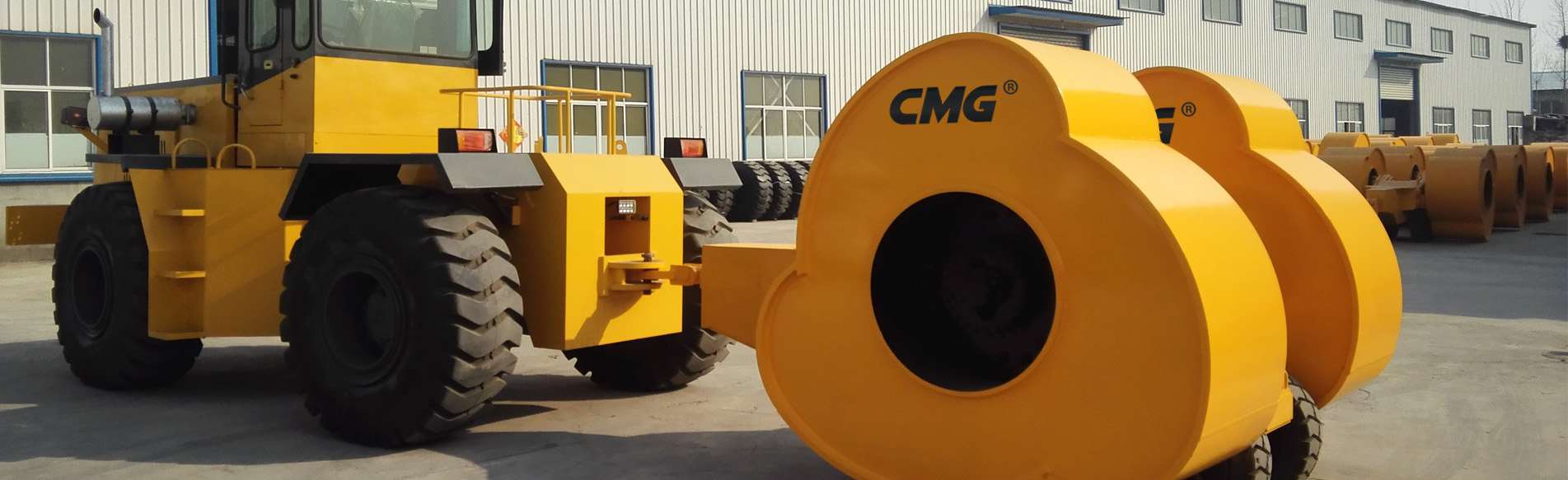
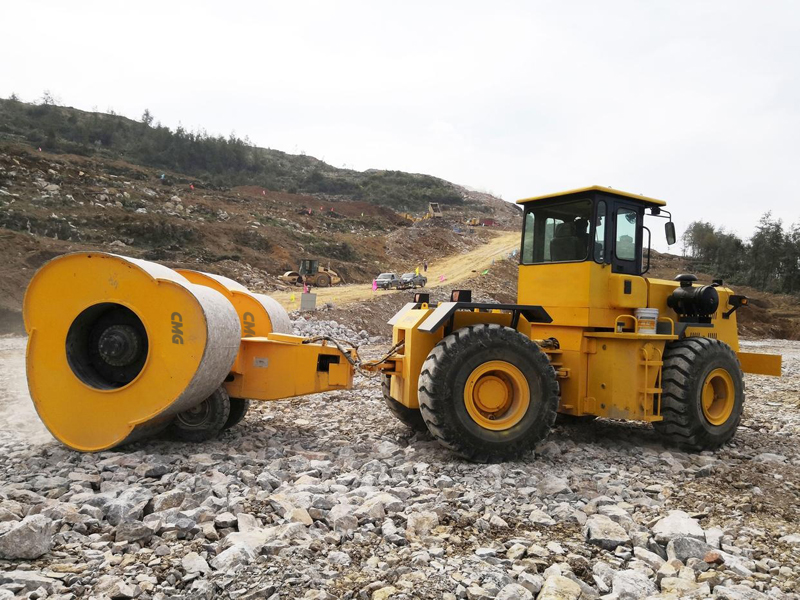
Impact compaction is a method that either works well or fails visibly, and the difference is usually decided before mobilisation. The drum is not the variable. What sits under the formation, what the fill is made of, how wet it is, and what is buried in it are the variables, and they are all knowable in advance.
Start with the history of the ground
Fill is rarely what the drawing says it is. Former quarries, ponds, tips, air-raid shelters, demolished structures and earlier phases of uncontrolled tipping all leave voids and variability that a surface inspection will not reveal. The desk study — old maps, aerial photography, previous site investigation reports, local authority records, the client's own construction archive — is where those risks are found. On redevelopment sites this stage often changes the whole approach: a plot of deep uncontrolled fill may need impact treatment, while an adjacent plot over undisturbed ground may not.
Characterise the fill, not just the soil
The properties that matter for impact compaction are the ones that control whether energy densifies or dissipates: particle size distribution, plasticity of the fines, natural moisture content and the variability of all three across the plot. A uniformly graded gravel responds differently from a clay-filled matrix, and both respond differently from organic silt. Layer thickness matters as much as material: a thin competent crust over loose fill will mislead both a roller and a driller.
Organic content deserves a specific test rather than an assumption. Peat and highly organic material compress by drainage and decomposition; impact energy does not change that, and treating it as a compaction problem wastes the programme.
Groundwater and drainage
Impact blows drive pore pressure up. If the fill is saturated, or sits on a clay layer that will not drain, the drum can pump water and shear the surface instead of densifying it. The investigation should establish the water table, the presence of perched water, and where water can drain during and after treatment. On low-lying sites this is often the constraint that decides whether treatment is possible at all.
What is buried, and what is next to the work
Services, culverts, drains, tanks, piles, quay walls, retaining structures and building foundations all sit within the vibration envelope of a heavy drum. Their location, depth and condition belong in the investigation, not in a site induction on the morning work starts. Where an asset cannot be protected by distance, the method has to change locally: a lighter drum, a conventional roller, or excavation and replacement around the asset.
The trial section is part of the investigation
No desk study replaces a trial. A trial section on the actual fill, at the intended layer thickness, with the intended drum, measured properly, answers what the report cannot: whether the drum penetrates or compacts, how many passes change anything, and what the fill does after the first pass. The trial is also where the acceptance criterion and the testing method get agreed between contractor and engineer — before production rather than after.
What the investigation should produce
A usable output is short: a plan of fill types and depths across the plot, the groundwater situation, a constraints map of buried assets and adjacent structures, a trial result with a pass count and acceptance criterion, and a statement of what the method cannot achieve on this site. That is what a supplier needs in order to recommend a drum class, and what the engineer needs in order to accept the work.
Investigation inputs we ask for
- Historic use of the plot and any previous ground reports
- Fill type, source and depth, plot by plot where possible
- Groundwater level and drainage path
- Buried services, piles and adjacent structures
- Proposed formation level and the design's depth of improvement
- Acceptance test the engineer intends to apply