Port and industrial platforms are usually built on ground that was recently water, or on fill placed over it. The design problem is not strength alone: it is that the ground has to settle predictably, and that a slab or a crane rail has to sit on support that does not vary from point to point.
The ground condition
Reclaimed and hydraulic fill is often loose, layered and variable, with soft pockets between denser bands. A structure placed on it does not fail because the average bearing capacity is too low; it fails because one corner settles more than another. Compaction therefore has two objectives: raise the density of the fill, and make the result uniform across the platform.
How rolling is used
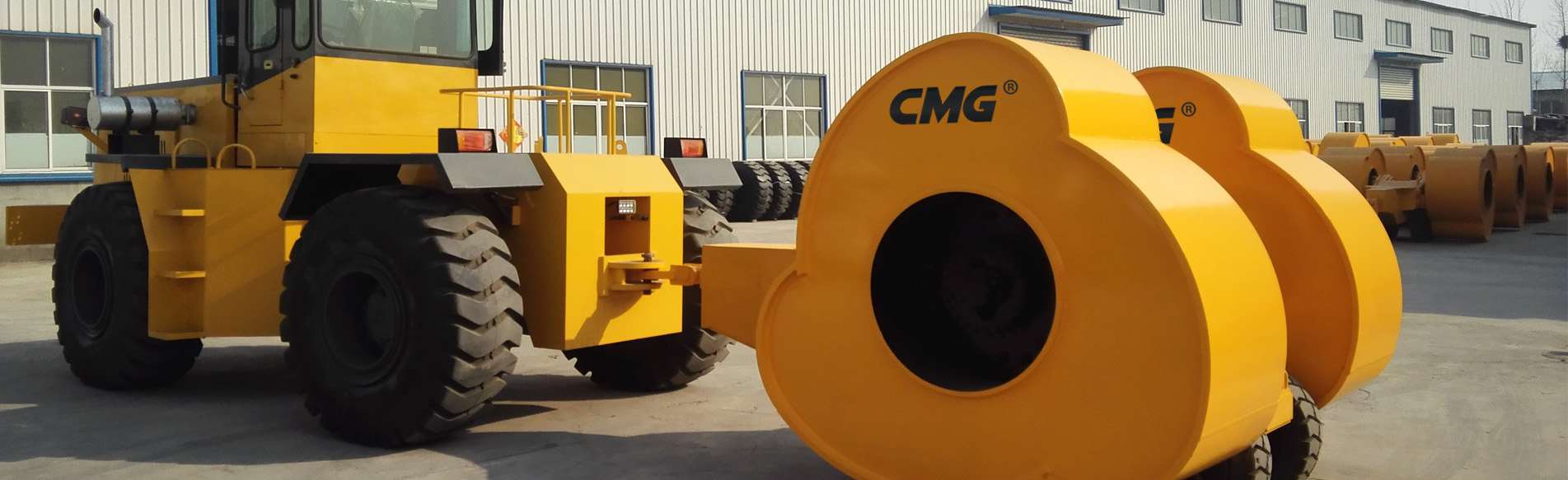
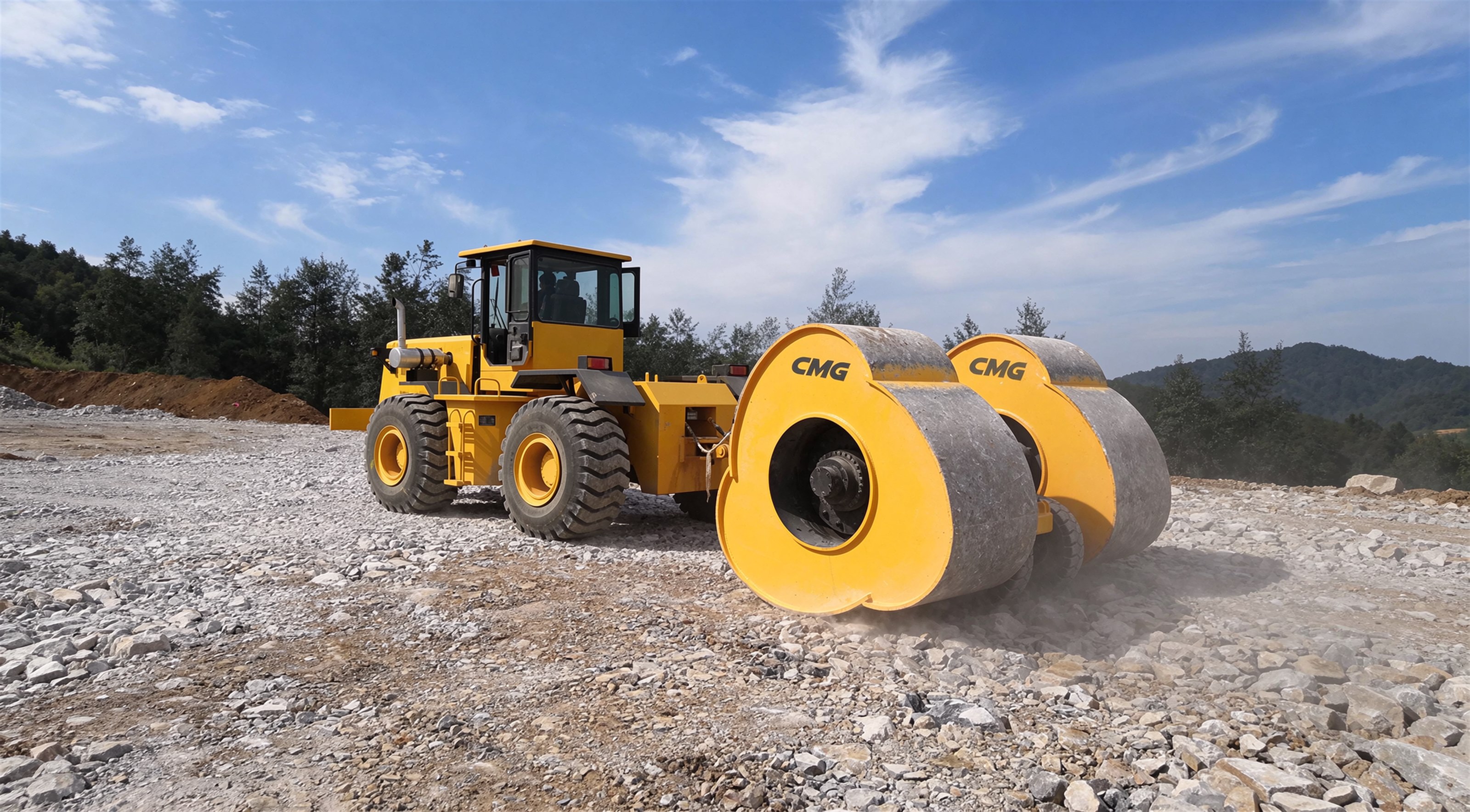
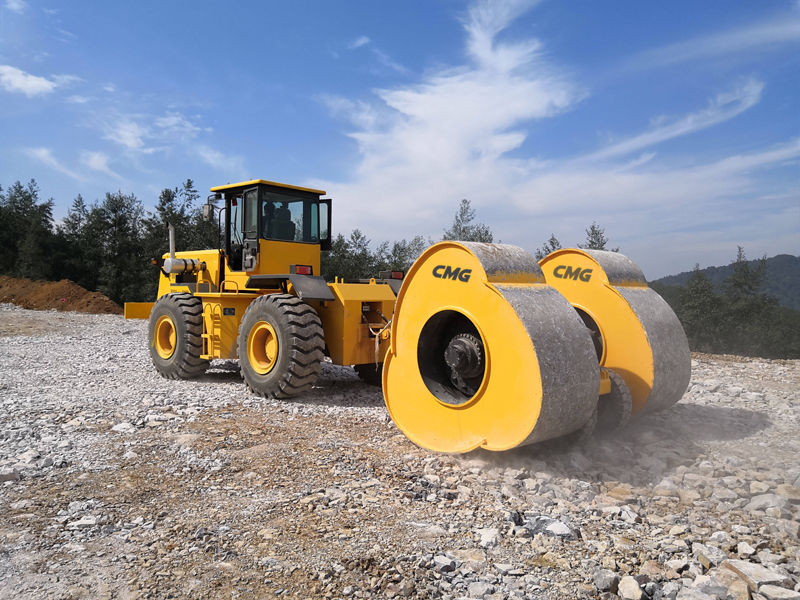
Impact rolling is applied to the fill before the platform layers and the slab, in lifts, with a fixed pattern so that coverage is even. The energy reaches below the surface layer, which is what makes it useful on deep fill rather than only on the top 300 mm. Where the fill is very deep or the settlement requirement is strict, rolling is combined with a staged programme — fill, roll, monitor, fill again — so that settlement is worked out during construction rather than after the slab is cast.
Uniformity is the acceptance test
On a platform, spot density tests can all pass while the platform still performs badly, because they sample points rather than the whole area. Level survey on a grid, settlement plates and proof rolling across the finished formation give a picture of uniformity that point tests cannot. The design usually states the allowable differential, and the compaction method has to be good enough to meet it, not just the average.
Crane rails, container stacks and slabs
Point loads from crane legs, container stacks and racking concentrate stress, so the ground directly below them matters more than the average. On such areas the fill is rolled and then proof rolled along the loaded lines, with any soft spot excavated and replaced rather than rolled over. For slabs, the finished formation is protected from traffic and weather until the slab is cast.
Working near water
Reclamation areas usually have a drainage and water level problem as well as a density problem. Rolling fill that is saturated, or that is sitting on a soft layer with no drainage path, produces surface working rather than densification. Dewatering and a stable working platform come first; the drum comes after.
What we need to quote this application
- Fill type and depth, and how it was placed
- Allowable total and differential settlement from the design
- Platform levels and the slab or rail layout
- Drainage and water level during construction
- Grid survey and settlement monitoring plan
- Proof-rolling and testing frequency